Knee Replacement Surgery restores joint function and relieves chronic pain caused by arthritis or injury. It improves mobility, stability, and allows patients to return to daily activities comfortably.


Knee Replacement Surgery restores joint function and relieves chronic pain caused by arthritis or injury. It improves mobility, stability, and allows patients to return to daily activities comfortably.
Knee Replacement Surgery is an effective treatment for those with severe knee pain from arthritis or injury. Dynasty Clinic offers expert care, from diagnosis to recovery. Our skilled orthopedic surgeons use latest techniques to replace damaged knee joints with artificial implants, relieving pain and restoring mobility. With personalized care plans, we ensure the best outcomes and help you return to daily activities with greater comfort. Choose Dynasty Clinic for your knee replacement surgery in Dubai.
Knee Replacement Surgery is a surgical procedure that removes damaged or worn out knee joint surfaces and replaces them with artificial implants. This restores joint function, reduces pain, and improves mobility. The surgery is typically recommended for patients with severe osteoarthritis, rheumatoid arthritis, or joint injuries that do not respond to non surgical treatments. It can be performed as a total or partial replacement, depending on the extent of joint damage. The procedure is safe, precise, and provides long term relief from pain and stiffness.
Knee Replacement Surgery involves carefully removing damaged bone and cartilage from the knee joint. Latest prosthetic implants are then placed to recreate the knee’s natural structure and movement. The surgery improves joint alignment, relieves chronic pain, and restores mobility. Postoperative rehabilitation focuses on strengthening muscles, improving flexibility, and ensuring a smooth recovery. Modern techniques allow for smaller incisions, less tissue damage, and faster recovery times, making it a highly effective treatment for restoring knee function.
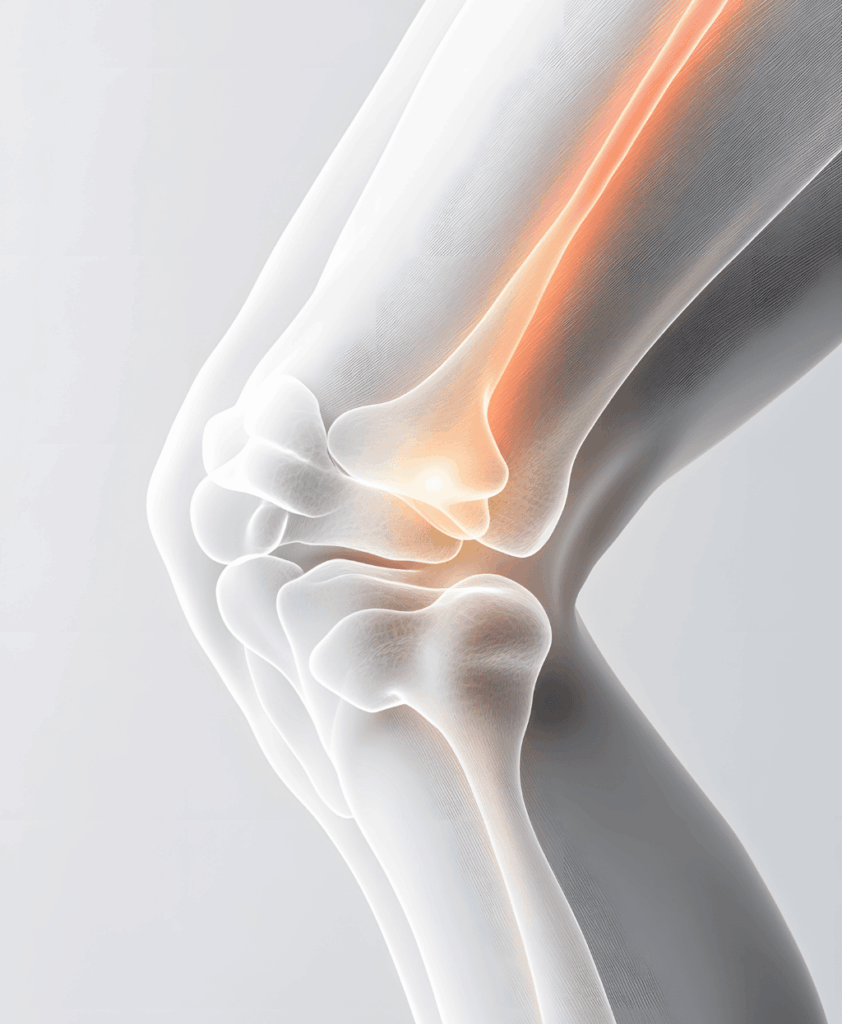
Knee Replacement Surgery is ideal for patients looking to regain mobility, reduce pain, and restore joint function. Our specialists will evaluate your knee condition, review your medical history, and discuss your goals to determine if surgery is the best optio
Benefits of Knee Replacement Surgery:
Knee replacement surgery may be unsuitable for patients with active infections, severe uncontrolled medical conditions, or poor bone quality. Those with blood clotting disorders or other high surgical risks should consult their doctor carefully. A full medical assessment is essential to ensure the procedure is safe and effective.
Patients can expect significant pain relief, improved mobility, and enhanced quality of life. Knee function is restored, stiffness is reduced, and patients can resume normal activities with greater comfort. Results are long lasting with proper rehabilitation and follow-up care.
Knee Replacement Surgery typically takes 1.5 to 3 hours, depending on whether a total or partial replacement is performed. Preoperative preparation and anesthesia may extend the overall time spent in the hospital.
Recovery varies but most patients can begin walking with assistance within a day. Physical therapy and rehabilitation are essential for 6–12 weeks to restore strength and flexibility. Full recovery, including return to normal activities, usually occurs within 3–6 months.
Our team of highly skilled orthopedic surgeons specializes in delivering exceptional knee replacement results. By combining the latest surgical techniques with personalized care, we ensure each patient achieves pain relief, improved mobility, and long-lasting joint function. Our commitment to patient comfort, safety, and satisfaction makes us a trusted choice for knee replacement and advanced orthopedic surgery in Dubai.
Dynasty Clinic’s orthopedic department provides a comprehensive range of treatments, including Knee and Shoulder Replacement, Hip Surgery, Sports Injury Management, Fracture Care, Arthroscopy, Spine and Back Pain Therapy, and Post-Surgical Rehabilitation. We also offer advanced regenerative treatments such as PRP and Stem Cell Therapy to naturally restore and strengthen joints.
Not every patient needs the same procedure. The right type of knee replacement depends on how much of the joint is damaged and your overall goals for recovery.
Type | Best For | Typical Recovery |
Total Knee Replacement | Widespread arthritis across the joint | 3 to 6 months to full recovery |
Partial Knee Replacement | Damage limited to one compartment | 4 to 8 weeks to most activities |
Revision Knee Replacement | Failed or worn prior implant | Longer than a first-time replacement, varies by complexity |
Our orthopedic surgeons determine which approach fits your anatomy and imaging results during consultation. Patients with early to moderate damage may also be candidates for stem cell treatment for knee osteoarthritis instead of replacement, covered in more detail further down this page.
Recovery unfolds in stages, and knowing what to expect at each point makes the process considerably less daunting.
Timeframe | What to Expect |
Day 1 to 3 | Hospital stay; walking with a frame or crutches begins within 24 hours under supervision |
Week 1 to 2 | Discharge home; pain and swelling gradually ease; physiotherapy typically starts |
Week 3 to 6 | Walking aids are reduced or dropped; strength and range of motion improve steadily |
Month 2 to 3 | Most patients resume light daily activities, driving, and desk-based work |
Month 3 to 6 | Continued strengthening; higher-impact activities are gradually reintroduced with guidance |
Dynasty Clinic’s physiotherapy team works directly with our orthopedic surgeons on post-surgical rehabilitation, so your recovery plan is coordinated rather than handled by separate, disconnected providers.
Knee replacement is a well-established, generally safe procedure, but like any surgery, it carries some risk. Being upfront about this is part of making an informed decision.
Our orthopedic surgeons discuss your individual risk profile in detail during consultation, based on your health history, activity level, and imaging results, rather than presenting a generic risk list.
Surgery isn’t always the first or only option. For patients with earlier-stage joint damage, less invasive treatments may delay or even avoid the need for replacement.
Option | Best For | Invasiveness |
Knee replacement surgery | End-stage arthritis, severe cartilage loss | Surgical |
Stem cell therapy | Early to moderate osteoarthritis with remaining cartilage | Minimally invasive, same-day |
ANF Therapy | Chronic knee pain management, including post-surgical cases | Non-invasive |
Patients with early to moderate damage are often good candidates for stem cell treatment for knee osteoarthritis, which uses the body’s own regenerative cells to repair damaged cartilage and may delay or reduce the need for surgery. For patients managing chronic pain, ANF Therapy is a further non-invasive option worth discussing during consultation.
For patients with end-stage osteoarthritis or extensive joint damage, replacement surgery generally remains the most effective long-term solution. Our orthopedic surgeons will always recommend the least invasive option that genuinely fits your condition, not the most expensive one.
The surgeon behind your procedure matters as much as the procedure itself. Dr. Wasim Zeyad Saleh leads joint replacement surgery at Dynasty Clinic, bringing credentials that go well beyond a general orthopedic background.
You can read more about his full background for best orthopadic doctor in dubai.
Surgery restores the joint. Physiotherapy is what restores your strength, balance, and confidence in using it again, which is why the two are treated as one continuous plan rather than separate services.
Learn more about what a typical rehabilitation plan involves on our physiotherapy.
Pricing for knee replacement surgery varies from patient to patient, since several factors shape the final cost.
Dynasty Clinic provides a transparent cost breakdown after your consultation and imaging review, once your specific procedure and implant needs are clear.
More than 250 five-star reviews on Google

 Posted on Google
 S A
S ATrustindex verifies that the original source of the review is Google.
Had a great experience with dr.Sima , her work is amazing with fillers , lips or body , everything she does is immaculate and impressive, got tons of compliments on the lip filler she did on me. Looking forward to do new things with dr.Sima 🤍🤍Posted on Google Malak Al terkaouiPosted on Google
 hala jamalThank you doctor sima and the team for all the support and care 💓 Best beauty clinic with amazing staffPosted on Google
 Future HealthCareBest service and good result we gotPosted on Google
 Aga BorynI came to this clinic for the first time and I’m absolutely amazed! The clinic is beautiful, with a very professional and welcoming team, and they offer a great variety of different treatments. I had Dermapen and a skin booster treatment, and I could already see the results immediately. I’m extremely happy with my experience and will definitely be coming back. Highly recommended!Posted on Google
 Donna DonnaI am always visiting Dr.Sima, Dermatologist She is the bestPosted on Google
 Rasha AldaghmaI had a wonderful experience at this clinic. The staff were amazing, welcoming, and very professional. Dr. Sima was absolutely wonderful—caring, knowledgeable, and made me feel completely comfortable. Highly recommended!Posted on Google
 Ines Rchaidya Ep ArgoubiThe best clinic especially Dr Sima she is such amazing person in and out the happiness of her clients is more important for her than trying to take their money like other clinics every time i visit i leave with happy face results are amazing she is such a talented doctor and the staff also very professional from reception also thank youVerified by TrustindexTrustindex verified badge is the Universal Symbol of Trust. Only the greatest companies can get the verified badge who has a review score above 4.5, based on customer reviews over the past 12 months. Read more
Ideal candidates are patients with severe knee pain or stiffness caused by arthritis, injury, or joint degeneration. Those who have not found relief from medications, injections, or physical therapy are suitable. X rays or scans usually confirm significant joint damage. Our specialists evaluate your overall health and mobility before recommending surgery.
The surgery typically lasts between 1.5 to 3 hours depending on whether it’s a total or partial replacement. Preparation, anesthesia, and postoperative care may extend your hospital time. Modern techniques allow for minimally invasive procedures, reducing overall surgical time. Your surgeon will provide a detailed timeline before your procedure.
Recovery usually begins immediately with assisted walking and gentle exercises. Physical therapy continues for 6–12 weeks to improve strength, flexibility, and range of motion. Most patients return to normal daily activities within 3–6 months. Continuous follow-up ensures the knee heals properly and maintains optimal function.
Knee replacement surgery is generally safe, but some risks exist, including infection, blood clots, or implant-related complications. Temporary swelling, pain, or stiffness may occur but usually resolves with therapy. Following post-surgery instructions reduces risks significantly.