Ozone Therapy Dubai by Dynasty Clinic offers a powerful way to cleanse your blood, boost immunity, and enhance overall vitality. This advanced treatment helps detoxify the body, improve circulation, and restore optimal health naturally.
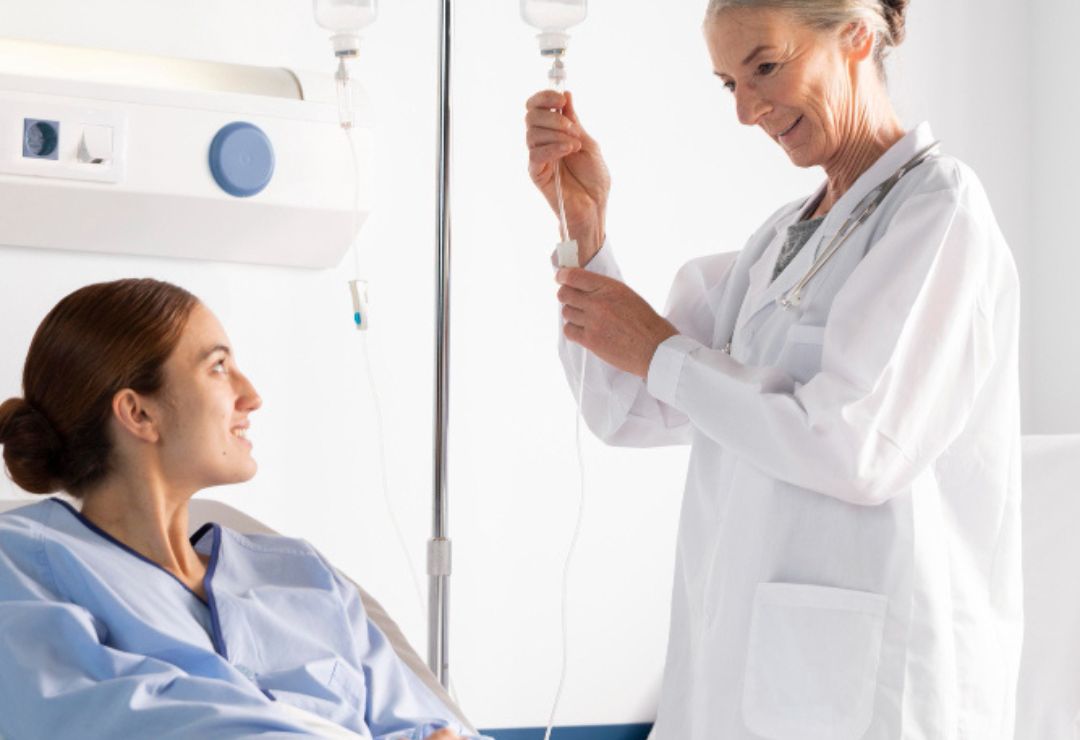
EBOO ozone therapy filters your blood and mixes it with medical-grade ozone before returning it to your body. Dynasty Clinic has operated in Dubai since 2018 and offers this treatment within its wellness and longevity services. Most people ask the same two questions before they book. Is it safe and does it work?
This guide answers both questions with plain facts. You will see how a session runs and what the research covers. You will also see the known risks and who should skip the treatment.
One point matters up front. The FDA has not approved ozone therapy for any medical use. Published research on EBOO is limited and mostly small. Dynasty Clinic offers EBOO as a medically supervised option and not as a cure. Read the evidence first and then decide with your doctor.
This article covers safety and evidence only. Cost and session plans sit on the EBOO treatment service page.
Key Takeaways
- EBOO ozone therapy is not approved by the FDA for any medical use.
- Published EBOO research is limited and comes mostly from small studies and case reports.
- Common side effects are mild and include bruising at the IV site and tiredness.
- Rare serious events have been reported with ozone therapy so screening matters.
What Is EBOO Ozone Therapy?
EBOO stands for Extracorporeal Blood Oxygenation and Ozonation. The procedure circulates your blood through a filter outside your body. That filter adds a mix of oxygen and ozone to the blood. Your blood then returns to you through a second line.
Ozone is a gas made of three oxygen atoms. It is more reactive than the oxygen you breathe. Medical devices make it on site right before use because it breaks down fast. The device quality and the operator skill both affect the result.
Dynasty Clinic’s EBOO protocol processes 1.5 to 3 liters of blood in one session and adds ultraviolet light exposure. Major autohemotherapy treats about 250 milliliters of blood by comparison. The larger volume defines EBOO. It does not prove better results.
Unveil Your Next Chapter With Dynasty
Our dedicated team is here to answer your questions and guide you on your path to well-being. Get in touch today to schedule a consultation or explore our services.
How an EBOO Session Works
A full session takes 60 to 90 minutes. The steps below follow the protocol Dynasty Clinic uses.
- Clinical assessment. A doctor reviews your medical history and current medications. The doctor decides whether you need blood tests before treatment.
- Venous access. Medical staff place two IV lines. One usually goes in each arm.
- Filtration and ozonation. Your blood flows through the filter. The device adds a measured mix of ozone and oxygen. An anticoagulant keeps the blood from clotting in the circuit.
- UV exposure and return. The blood passes through ultraviolet light and then returns to your body through the second line.
- Recovery. Staff remove the lines and check your vital signs. Most people resume light activity afterward.
Staff monitor you for the whole session. Tell the team right away if you feel dizzy or short of breath. Report pain at an IV site too.
What Research Says About EBOO
What Published Research Covers
European researchers developed the EBOO technique and published small clinical series. Those reports focused mainly on vascular conditions such as severe peripheral arterial disease. The authors described treating large blood volumes without technical problems in their groups. Small groups cannot show how often rare events happen.
Where the Evidence Falls Short
A 2026 umbrella review of randomized trial meta-analyses found inconsistent results for ozone therapy across several conditions. The same review found that trials reported adverse events unevenly. That gap prevents firm conclusions about safety. Large randomized trials of EBOO itself are lacking.
Regulatory Status
The FDA has not approved ozone therapy for any medical use. The agency cites toxicity and a lack of proven benefit. Dynasty Clinic states that EBOO is not FDA-approved. A good clinic tells you this before your first session.
EBOO Benefits: Common Claims and What the Evidence Says
Clinics market EBOO for many goals. Each claim below gets a plain check against the published record.
Detox and Heavy Metal Removal
Clinics often say EBOO detoxifies the blood. Large trials showing that EBOO lowers heavy metal levels in a way that improves health are lacking. Ask any clinic for the study behind this claim. A clinic that cannot name one study is making an unproven claim.
Immune Support
Lab studies suggest that ozone affects immune cells. Large randomized trials of EBOO for immunity in healthy adults are lacking. Treat immune claims with caution until such trials exist.
Energy and Fatigue
Some patients report more energy after a series of sessions. Those reports are real experiences. They do not rule out a placebo effect or the effect of rest and focused attention on health. Controlled trials of EBOO for general fatigue are scarce.
Chronic Conditions
Some clinics market EBOO for long COVID or autoimmune conditions. Published evidence for these uses is limited. Keep your current treatment and talk to your specialist before you add EBOO. A person with lupus should never stop prescribed medication to try ozone therapy.
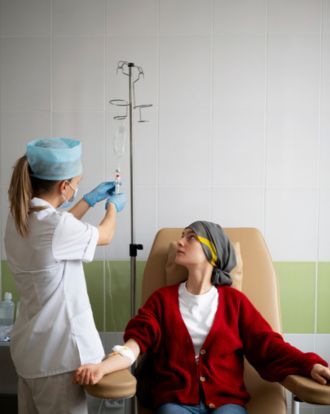
How to Prepare for an EBOO Session
- Eat a full meal before your visit.
- Drink plenty of water the day before and the day of treatment.
- Bring a list of every medication and supplement you take.
- Wear a top with loose sleeves.
- Plan a light afternoon because tiredness is common after treatment.
EBOO Ozone Therapy Risks and Side Effects
Common Side Effects
Most side effects are mild and short. You may notice bruising or soreness where the IV line sat. Some people feel tired or lightheaded after a session. Low blood pressure and headache can also occur.
The circuit uses an anticoagulant. This adds a small bleeding risk for people with clotting problems and for people on blood thinners.
Rare Serious Risks
Reports of serious harm after ozone therapy include stroke-like events and altered mental status. One published case report on neurological complications after intravenous ozone therapy describes a previously healthy patient who needed emergency care. That report involved intravenous ozone and not EBOO. It still shows why screening and dose control matter.
EBOO uses a closed circuit where the gas mixture meets blood through a filter. This design differs from direct gas injection. Any ozone method still needs a trained operator and calibrated equipment.
Who Should Not Have EBOO
Doctors usually screen for these conditions before they approve treatment:
- G6PD deficiency
- Pregnancy
- Uncontrolled overactive thyroid
- Bleeding or clotting disorders
- Severe anemia
- Unstable heart conditions
G6PD deficiency is an inherited enzyme condition. Ozone can damage the red blood cells of people who have it. A simple blood test checks for it before treatment.
Blood thinners need special care. A person on warfarin needs a doctor review first because the circuit adds an anticoagulant. Your doctor makes the final call.
Patients who cannot have EBOO can ask about other options. Dynasty Clinic also offers IV therapy options for patients who want a different approach.
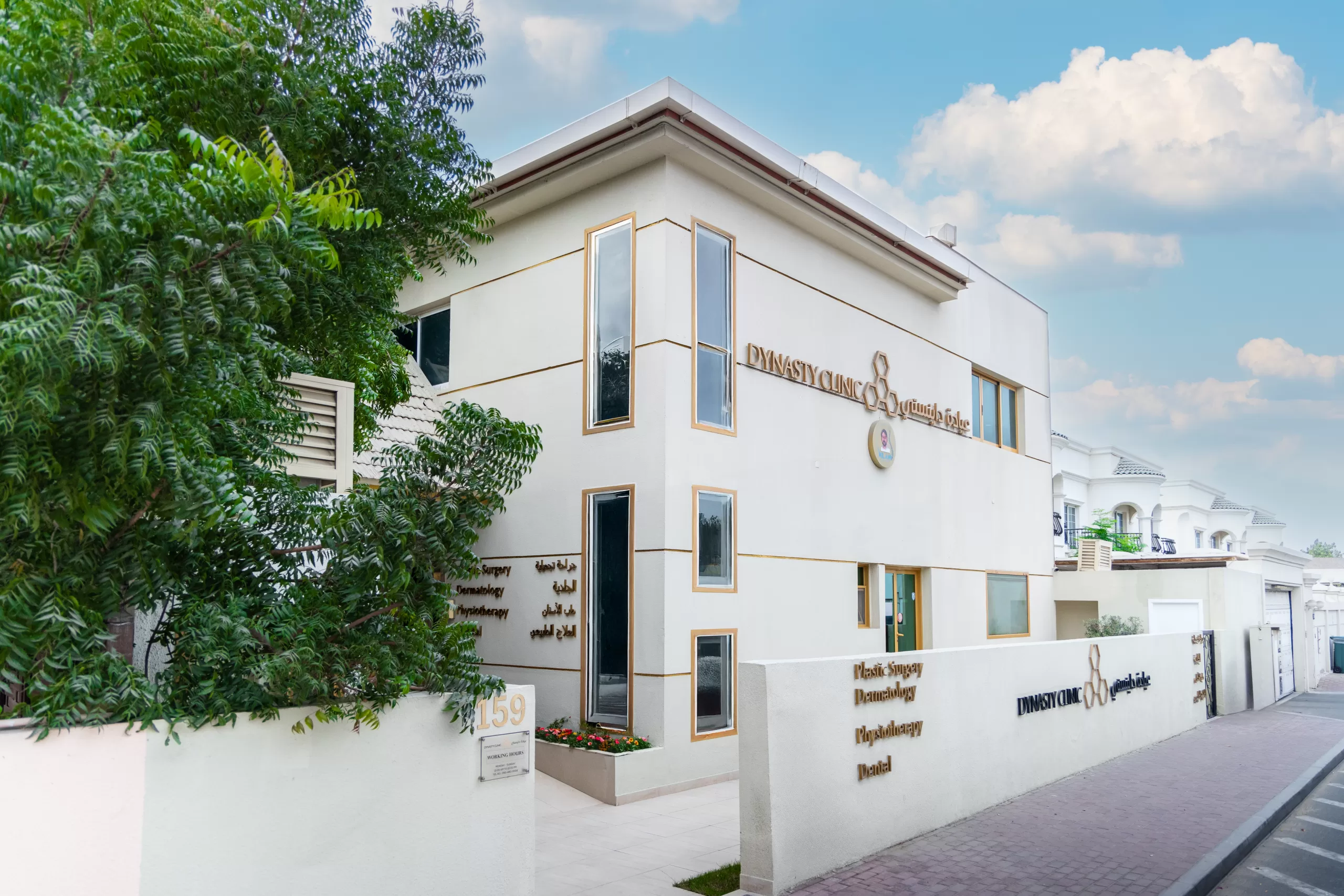
What to Expect After an EBOO Session
Mild tiredness is the most common report after treatment. Drink water and avoid hard exercise for the rest of the day. Keep the IV sites clean and dry.
Call the clinic if you notice swelling or severe pain at an IV site. Call it too if you develop a fever. Seek emergency care right away for chest pain or confusion or weakness on one side of the body or trouble breathing.
EBOO vs Hemodialysis vs Plasma Exchange
These three procedures all move blood through a machine. Their goals differ.
EBOO vs Hemodialysis
Hemodialysis replaces lost kidney function. It removes waste products and extra fluid using a dialysis solution. EBOO uses a filter but no dialysis solution. It does not replace kidney function. Never use EBOO as a substitute for dialysis.
EBOO vs Plasma Exchange
Plasma exchange removes your plasma and replaces it with a fluid such as albumin. EBOO keeps your own blood and treats it with ozone and oxygen. Dynasty Clinic explains the process and safety steps in its guide to therapeutic plasma exchange.
EBOO vs Standard Ozone Autohemotherapy
Major autohemotherapy draws a small volume of blood and ozonates it outside the body before reinfusion. EBOO treats a far larger volume in a continuous loop. A larger volume does not guarantee a better outcome. Head-to-head trials of the two methods for immune support are lacking.
Questions to Ask Before You Book EBOO
A clear answer to each question below tells you a lot about a clinic.
- Is the clinic licensed by the Dubai Health Authority?
- Which doctor reviews my history and who runs the machine?
- Do you screen for G6PD deficiency and other conditions first?
- What ozone concentration and blood volume do you use?
- What does the session fee include?
- How do you monitor me during the session?
- How do you handle side effects?
Dynasty Clinic answers these during your consultation. Write your questions down before you go.
Final Thoughts on EBOO Ozone Therapy
EBOO ozone therapy is a medically supervised procedure with limited evidence and known risks. Most side effects are mild. Rare serious events and the lack of FDA approval mean you should decide with full information. Ask direct questions and expect clear answers.
Book a consultation with Dynasty Clinic to review your health history and ask your questions in person.
Book an Appointment
It’s easy and free!
Tags:EBOO Ozone Therapy