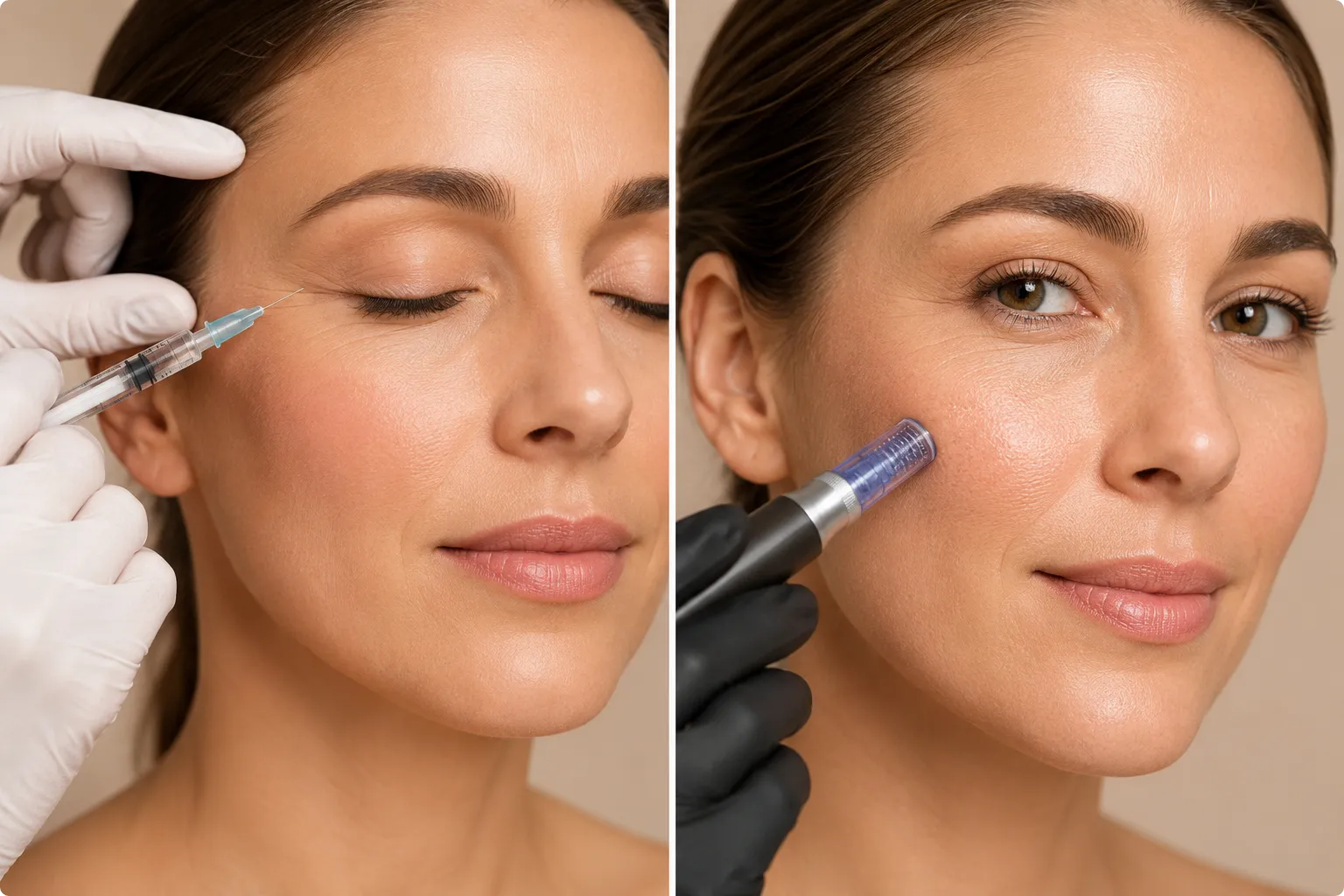
Botox doesn’t wear off on a fixed schedule it depends on the area treated and your muscle response. Here’s a realistic, area-by-area maintenance timeline to plan around.

Botox is not a one-time treatment. To keep your results looking smooth and natural, you’ll need maintenance appointments over time. How often you need Botox depends on several factors, including the treatment area, the strength of your facial muscles, your metabolism, and whether it’s your first treatment or you’ve been getting Botox for years. While every person is different, most people follow a fairly predictable schedule. This guide explains how long Botox typically lasts, when to plan your next appointment, and what a realistic long-term maintenance plan looks like.
The Short Answer: Every 3–4 Months for Most People
For the most common treatment areas forehead lines, frown lines (glabella), and crow’s feet Botox typically lasts 10 to 16 weeks, which is why most patients settle into a rhythm of visiting every 3 to 4 months.
That said, your first-ever session doesn’t always follow this pattern. Many first-time patients notice the effect fading closer to the 8-week mark, simply because the muscles haven’t yet learned to stay relaxed. Repeat treatments tend to last longer as muscle memory builds. Our Botox injections team accounts for this when planning your first follow-up, rather than locking you into a fixed schedule too early.
Botox Injection Frequency by Treatment Area
Not all Botox is the same dose problem. Different areas involve different muscle sizes, movement patterns, and purposes, which changes how often you’ll need a top-up.
Treatment Area | Typical Frequency | Why |
|---|---|---|
Forehead & frown lines | Every 3–4 months | Small, frequently-used muscles; wears off predictably |
Crow’s feet (around eyes) | Every 3–4 months | Thin skin, fast muscle movement |
Masseter (jaw slimming) | Every 4–6 months | Jaw muscles are larger and stronger, so effects last longer |
Migraine prevention | Every 12 weeks | Following the clinically studied treatment protocol |
Hyperhidrosis (excessive sweating) | Every 4–7 months | Sweat glands regenerate more slowly than facial muscles |
Neck bands (platysma) | Every 4–6 months | Larger, less frequently contracted muscle group |
If your goal extends beyond cosmetic lines for example, using Botox for tension and pain-related conditions or bladder-related concerns your specialist will set a schedule based on the specific protocol for that condition, which can differ from cosmetic dosing intervals.
Unveil Your Next Chapter With Dynasty
Our dedicated team is here to answer your questions and guide you on your path to well-being. Get in touch today to schedule a consultation or explore our services.
Why Your Botox Maintenance Schedule Changes Over Time
Most patients notice their need for touch-ups actually decreases the longer they stay consistent with treatment. This isn’t a sales pitch it’s how the muscle responds:
- Muscle memory effect: Repeatedly relaxing a muscle can reduce its default contraction strength, meaning wrinkles form more slowly between sessions.
- Metabolism plays a role: People with faster metabolisms may process Botox quicker, needing sessions closer to the 10–12 week mark rather than 16.
- Muscle mass and activity level: Athletes or people with strong facial expressions may metabolize Botox faster and need slightly more frequent visits.
- Skin quality and sun exposure: These don’t affect Botox duration directly but can affect how quickly new lines reappear once the effect fades.
This is why a good clinic doesn’t just rebook you automatically every 3 months your treatment plan should be reassessed at each visit based on how you actually responded last time.
Signs It's Time for Your Next Session
Rather than watching the calendar, most experienced patients learn to recognize the signs:
- Expression lines start appearing at rest, not just when you move your face
- You notice the treated area moving more than it did a few weeks ago
- Friends or photos reveal lines you hadn’t noticed day-to-day
Booking slightly before full muscle movement returns (rather than waiting until it’s completely worn off) tends to give the smoothest, most consistent results this is sometimes called maintenance dosing.
What Happens If You Wait Too Long Between Sessions?
Nothing dangerous but you may notice:
- Full return of muscle movement and expression lines
- A slightly longer settling in period on your next session, similar to the effect of a first-time treatment
- No cumulative bad effect from spacing sessions further apart, though frequent long gaps mean you won’t benefit from the gradual muscle-training effect described above
If you’re unsure whether it’s the right time based on your last session, it’s worth a quick consultation rather than guessing over-treating too early is also something to avoid, since it doesn’t extend results and adds unnecessary product use.

Caring for Your Results Between Sessions
How you care for your skin in the days after treatment can subtly affect how long results hold. Our full breakdown on Botox injection aftercare covers the first 48 hours in detail, but general upkeep between sessions includes staying consistent with sun protection and avoiding excessive heat exposure to the treated area.
Botox vs. Fillers: Different Maintenance Timelines
It’s worth noting that Botox and dermal fillers are maintained very differently fillers typically last longer (6 months to 2 years depending on the product and area) because they work by adding volume rather than relaxing muscle activity. If you’re weighing the two, our guide on Botox vs. dermal fillers explains which one fits which type of concern.
Finding the Right Schedule for You
There’s no single correct answer to how often should I get Botox that applies to everyone it genuinely depends on the area treated, your individual muscle response, and your aesthetic goals. What matters most is working with a practitioner who reassesses your results at each visit rather than applying a one-size-fits-all schedule.
Every Botox session is performed by a licensed medical doctor who evaluates your muscle response before recommending your next appointment.

FAQ
How often should you get Botox for the first time?
Many first-time patients notice results fading around 8 weeks, sooner than the typical 3–4 month maintenance interval, since the muscle hasn’t yet adjusted to repeated relaxation.
Can you get Botox too often?
Getting Botox before the previous dose has meaningfully worn off doesn’t improve or extend results and simply adds unnecessary product most clinics recommend waiting a minimum of 3 months between sessions.
Does Botox last longer the more you get it?
For many patients, yes consistent treatment over time can train the muscle to relax more fully, often extending the gap between needed sessions.
Is jaw or migraine Botox on the same schedule as facial Botox?
No masseter (jaw) Botox typically lasts 4–6 months due to larger muscle mass, and migraine protocols follow a fixed 12-week clinical schedule, both different from standard facial line treatment.
Book an Appointment
It’s easy and free!