Uneven skin tone, dark patches, and pigmentation are common skin concerns. Melasma can also affect your confidence and appearance. Understanding the cause is the first step toward clearer, more even skin. Our dermatology team identifies the type of pigmentation and recommends a treatment plan based on your skin type and needs. We use advanced treatments …
Uneven skin tone, dark patches, and pigmentation are common skin concerns. Melasma can also affect your confidence and appearance. Understanding the cause is the first step toward clearer, more even skin. Our dermatology team identifies the type of pigmentation and recommends a treatment plan based on your skin type and needs. We use advanced treatments and medical expertise to help improve skin tone and texture.
What Is Melasma?
Melasma is a common skin condition that causes brown or greyish-brown patches. It often appears on the cheeks, forehead, upper lip, and chin. Melasma develops when pigment-producing cells become overactive and produce excess melanin. Unlike sunspots, it usually appears symmetrically on both sides of the face. Hormonal changes and sun exposure can also make melasma more noticeable.
Unveil Your Next Chapter With Dynasty
Our dedicated team is here to answer your questions and guide you on your path to well-being. Get in touch today to schedule a consultation or explore our services.
Melasma vs. Other Types of Pigmentation
Not every dark patch is melasma. Post-inflammatory hyperpigmentation can follow acne, injury, or skin irritation. Sunspots and age spots result from cumulative UV exposure over time. Freckles are usually genetic and appear in childhood. Our team examines the pattern, depth, and history of the discoloration before recommending treatment, since each type responds differently to laser, light-based, and topical therapies.
What Causes Melasma and Pigmentation
Hormonal Changes
Pregnancy, birth control pills, and hormone therapy can trigger melasma. Changes in estrogen and progesterone may increase melanin production. This is why melasma is often called the mask of pregnancy.
Sun and Heat Exposure
Sun exposure can increase melanin production and make melasma darker. Heat may also worsen pigmentation. Daily use of high-factor sunscreen is important for prevention and treatment.
Genetics and Skin Type
A family history of melasma can increase your risk. People with darker skin tones may also be more prone to pigmentation because of higher melanin activity.
Inflammation and Skin Barrier Disruption
Melasma is not only linked to excess pigment. Inflammation and skin barrier damage may also play a role. These factors can make pigmentation more persistent and difficult to manage.
Certain Medications and Cosmetic Products
Some medications increase photosensitivity, while harsh or irritating skincare products can trigger inflammation that leads to pigmentation. A thorough skin and medical history helps our team identify contributing factors before starting treatment.
Melasma and Pigmentation Treatment Options at Dynasty Clinic
There is no single treatment that works for every patient, which is why our dermatology team offers a range of technologies to target pigmentation at different depths and severities.
Laser Skin Resurfacing
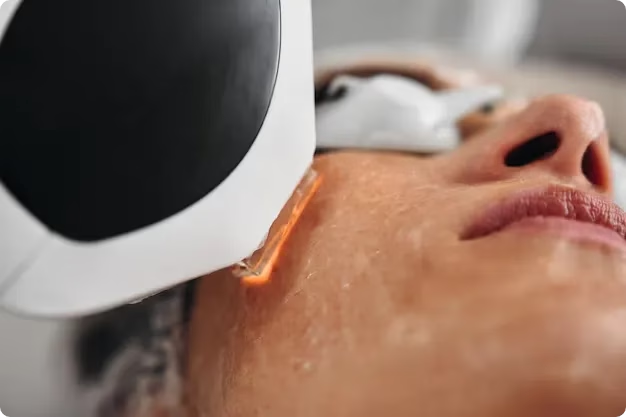
Laser Skin Resurfacing targets pigmented cells and stimulates collagen renewal, helping to break down excess melanin while improving overall skin texture and tone.
CO2 Laser Treatment
For deeper or more resistant pigmentation, CO2 Laser Treatment offers precise, controlled resurfacing that addresses discoloration while also improving skin texture and reducing fine lines.
PRF Skin Rejuvenation
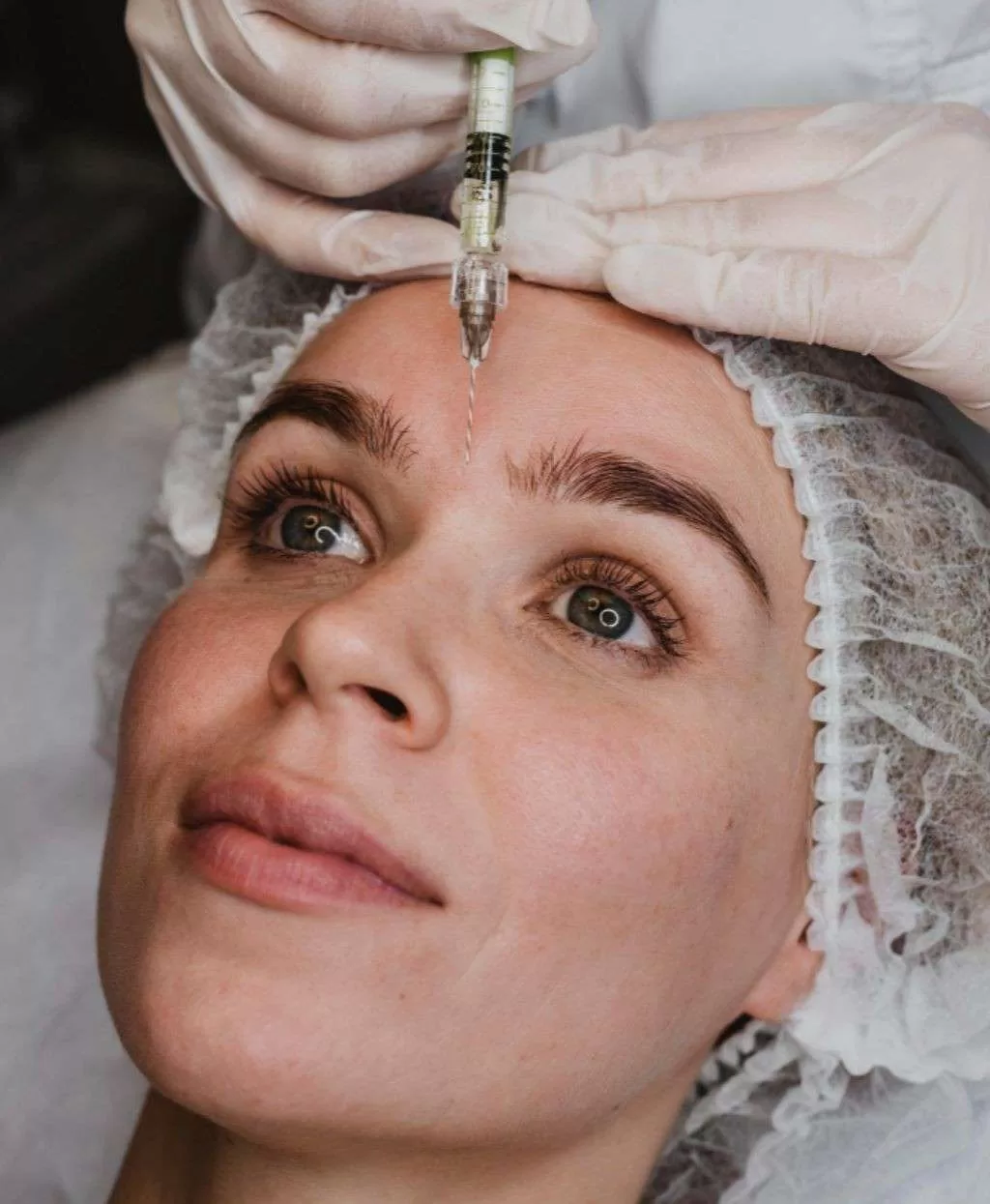
PRF Dubai Skin Rejuvenation uses the body’s own growth factors to support skin healing and regeneration. It is often combined with other pigmentation treatments to calm inflammation and strengthen the skin barrier, reducing the likelihood of pigment returning.
Personalized Treatment Planning
Dr. Sima Sarabi reviews each patient’s skin type, pigmentation pattern, and medical history before recommending a treatment combination. Because melasma can worsen with aggressive or unsuitable treatments, a personalized, gradual approach delivers safer and more lasting results than a one-size-fits-all protocol.
What to Expect During Treatment
Most pigmentation treatments at Dynasty Clinic are performed on an outpatient basis with minimal downtime. Patients may notice mild redness or sensitivity for a few days following laser-based treatments, and results typically build gradually over a series of sessions rather than appearing after a single visit. Sun protection before and after every session is essential to prevent new pigmentation from forming.
Preventing Melasma from Returning
Melasma is a manageable condition, but it can recur without ongoing care. Daily broad-spectrum sunscreen, avoidance of excessive heat and sun exposure, and gentle, non-irritating skincare all help maintain results between treatments. Our team also provides guidance on maintenance sessions to keep pigmentation under control long term.

Book a Pigmentation Consultation
Melasma and pigmentation respond best to treatment that is matched to the underlying cause. Our dermatology team at Dynasty Clinic evaluates each case individually and builds a treatment plan that addresses both the visible discoloration and the factors driving it. Book a consultation to find out which combination of treatments suits your skin.
FAQs
Can melasma be fully cured?
Melasma can be significantly improved and controlled, but because it is often triggered by hormones, sun exposure, and genetics, ongoing maintenance is usually needed to prevent recurrence.
How long does it take to see results?
Most patients notice gradual improvement over several weeks, with continued lightening across a course of treatment sessions rather than immediate results.
Is treatment safe for darker skin tones?
Yes, though technology and settings must be selected carefully to avoid triggering further pigmentation. Our team tailors laser and light-based treatments to each patient’s skin tone and sensitivity.
Will melasma come back after treatment?
It can, particularly with sun exposure or hormonal changes. Consistent sun protection and periodic maintenance sessions significantly reduce the risk of recurrence.
 Posted on Google
 Joanne Frain
Trustindex verifies that the original source of the review is Google.
Great experience at Dynasty clinic- the procedure was explained very well and Dr sima very kind and friendly Very impressed at the follow up to the appointment and can’t wait to go back for part two!Posted on Google ghaith almehairiThank you Dr. Maryam, she welcomes and explains the procedure of PRP in a clear way. Good job and i guarantee to have another session next month because of her.Posted on Google
 Saleh AlnahlaDr. Maryam did for me the PRP procedure for Hair and Skin, and from the first session i saw difference, she is good at what she does and the procedure was explained to me clearly. Will for sure continue the sessions.Posted on Google
 Ghada SharaanHighly recommendPosted on Google
 S AHad a great experience with dr.Sima , her work is amazing with fillers , lips or body , everything she does is immaculate and impressive, got tons of compliments on the lip filler she did on me. Looking forward to do new things with dr.Sima 🤍🤍Posted on Google
 hala jamalThank you doctor sima and the team for all the support and care 💓 Best beauty clinic with amazing staffPosted on Google
 Future HealthCareBest service and good result we gotPosted on Google
 Aga BorynI came to this clinic for the first time and I’m absolutely amazed! The clinic is beautiful, with a very professional and welcoming team, and they offer a great variety of different treatments. I had Dermapen and a skin booster treatment, and I could already see the results immediately. I’m extremely happy with my experience and will definitely be coming back. Highly recommended!Verified by TrustindexTrustindex verified badge is the Universal Symbol of Trust. Only the greatest companies can get the verified badge who has a review score above 4.5, based on customer reviews over the past 12 months. Read more

Book an Appointment
It’s easy and free!