A well-planned Sports Injury Recovery Timeline is one of the most important factors in returning to your favorite activities safely. Whether you're recovering from a muscle strain, ligament sprain, tendon injury, fracture, or post-surgical rehabilitation, every stage of healing matters. At Dynasty Clinic Dubai, our rehabilitation specialists develop evidence-based recovery plans that reduce pain, restore …
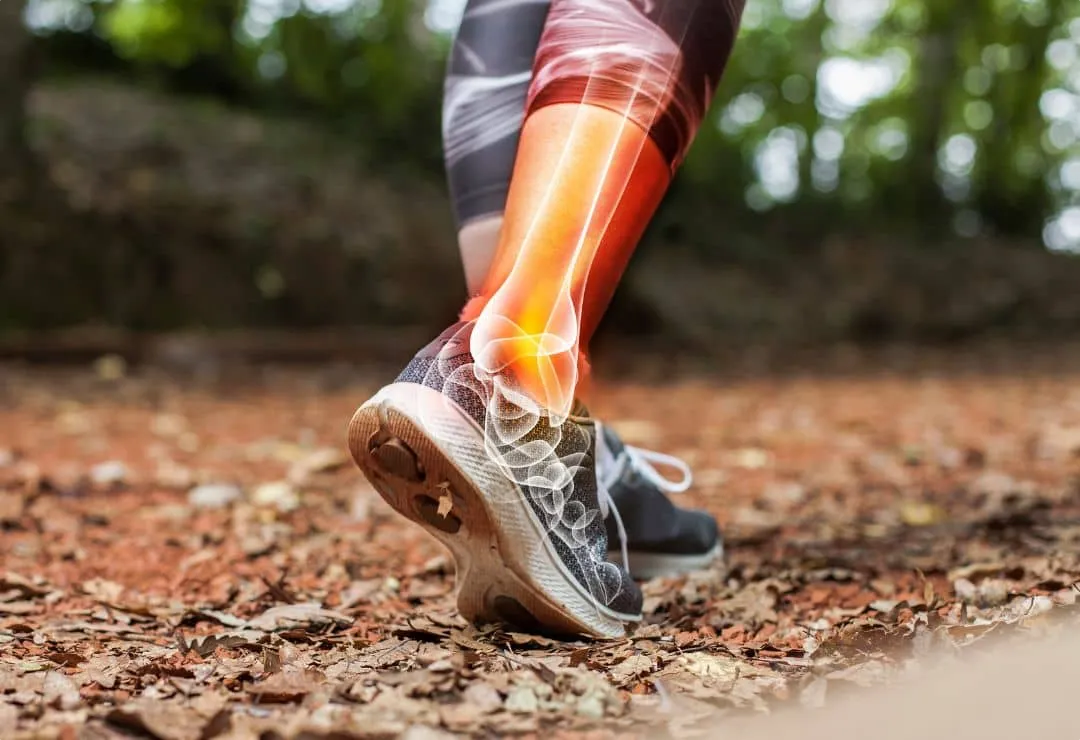
A well-planned Sports Injury Recovery Timeline is one of the most important factors in returning to your favorite activities safely. Whether you’re recovering from a muscle strain, ligament sprain, tendon injury, fracture, or post-surgical rehabilitation, every stage of healing matters. At Dynasty Clinic Dubai, our rehabilitation specialists develop evidence-based recovery plans that reduce pain, restore movement, rebuild strength, and help prevent future injuries. Instead of rushing back to sports too early, our personalized approach ensures you recover at the right pace for long-term success.
From recreational athletes to professional competitors, we provide advanced rehabilitation programs designed to help patients regain confidence and performance while minimizing the risk of reinjury.
Why Is Following a Sports Injury Recovery Timeline So Important?
Every injury heals differently. The severity of the injury, age, physical condition, treatment method, and commitment to rehabilitation all influence recovery speed.
Following a structured sports injury rehabilitation program allows injured tissues to heal properly while restoring flexibility, stability, endurance, and strength.
Benefits of a guided recovery plan include:
- Reduced recovery time
- Lower risk of recurring injuries
- Improved joint stability
- Better muscle strength
- Faster return to sports
- Improved athletic performance
- Safe progression through each healing phase
- Personalized rehabilitation milestones
Ignoring proper rehabilitation often leads to chronic pain, weakness, stiffness, or repeated injuries that can keep athletes sidelined much longer.
Unveil Your Next Chapter With Dynasty
Our dedicated team is here to answer your questions and guide you on your path to well-being. Get in touch today to schedule a consultation or explore our services.
What Factors Affect Sports Injury Recovery?
No two patients recover at exactly the same pace.
Several factors determine your injury recovery timeline, including:
- Type of sports injury
- Injury severity
- Age
- General health
- Fitness level
- Previous injuries
- Surgical vs non-surgical treatment
- Nutrition
- Sleep quality
- Compliance with physiotherapy
- Rehabilitation exercises
Patients who actively participate in their recovery typically experience better outcomes than those who remain inactive or return to activity too soon.
What Happens During the Different Stages of Healing?
Understanding how the body repairs itself helps explain why rehabilitation follows a gradual progression.
Phase 1: Inflammatory Stage
Immediately after an injury, the body’s natural healing response begins. Blood flow increases to the affected area, delivering oxygen, nutrients, and healing cells that initiate tissue repair.
During this stage, you may notice:
- Pain
- Swelling
- Warmth
- Bruising
- Difficulty moving the injured area
Although inflammation is often uncomfortable, it plays an essential role in healing and should not always be viewed as something negative.
Phase 2: Repair Stage
Once inflammation begins to settle, the body starts rebuilding damaged tissues. New collagen fibers form, gradually replacing injured structures.
During this period, rehabilitation focuses on restoring movement while protecting the healing tissue from excessive stress.
Patients usually begin:
- Gentle stretching
- Controlled strengthening
- Range-of-motion exercises
- Light functional activities
The goal is to encourage healing without causing additional damage.
Phase 3: Remodeling Stage
The final stage involves strengthening and reorganizing the newly formed tissues. Collagen fibers become more aligned, muscles regain strength, and joints recover stability.
This phase often lasts several months, especially after serious injuries or surgery.
Advanced rehabilitation may include:
- Plyometric training
- Sport-specific drills
- Agility exercises
- Balance training
- Functional strength exercises
Completing this stage properly is essential before returning to competitive sports.
Sports Injury Recovery Timeline: Week-by-Week Healing Guide
No two recoveries follow the exact same schedule, but understanding the typical progression helps patients know what to expect.
Week 1
The primary objective is reducing pain and inflammation while protecting the injured area.
Treatment commonly includes rest, ice therapy, compression, elevation, and gentle mobility exercises under professional supervision.
During this stage, your rehabilitation team also evaluates the injury and develops an individualized recovery strategy.
Weeks 2–4
As swelling decreases, rehabilitation becomes more active.
Patients gradually regain joint mobility while introducing low-impact strengthening exercises. Manual therapy, stretching, and muscle activation techniques may also be incorporated.
By the end of this phase, many patients notice improved comfort during everyday activities.
Weeks 4–8
Rehabilitation shifts toward rebuilding strength and correcting movement patterns.
Exercises become progressively more challenging to prepare muscles, tendons, and ligaments for increased physical demands.
Therapy may include resistance training, functional movement exercises, balance work, and core stabilization.
Weeks 8–12
Most patients begin sport-specific rehabilitation during this stage.
Rather than simply feeling pain-free, they learn to sprint, jump, change direction, and perform movements that closely resemble their chosen sport.
Functional testing helps determine whether the body is ready for a safe return to activity.
Meet the Best Orthopedic Dr in Dubai for Sports Injury Recovery
Recovering from a sports injury requires expert care, an accurate diagnosis, and a personalized rehabilitation plan. Dr. Wasim Zeyad Saleh is recognized as one of the best orthopedic Doctor in Dubai, providing comprehensive treatment for sports injuries, joint conditions, and musculoskeletal disorders.
With over 15 years of experience in orthopedic and trauma surgery, Dr. Wasim specializes in treating ligament, tendon, muscle, shoulder, knee, and spine injuries. His expertise in sports injury rehabilitation, minimally invasive orthopedic procedures, and personalized recovery plans helps patients restore mobility, reduce pain, recover safely, and confidently return to sports and everyday activities.
Why Choose Dynasty Clinic for Sports Injury Treatment in Dubai?
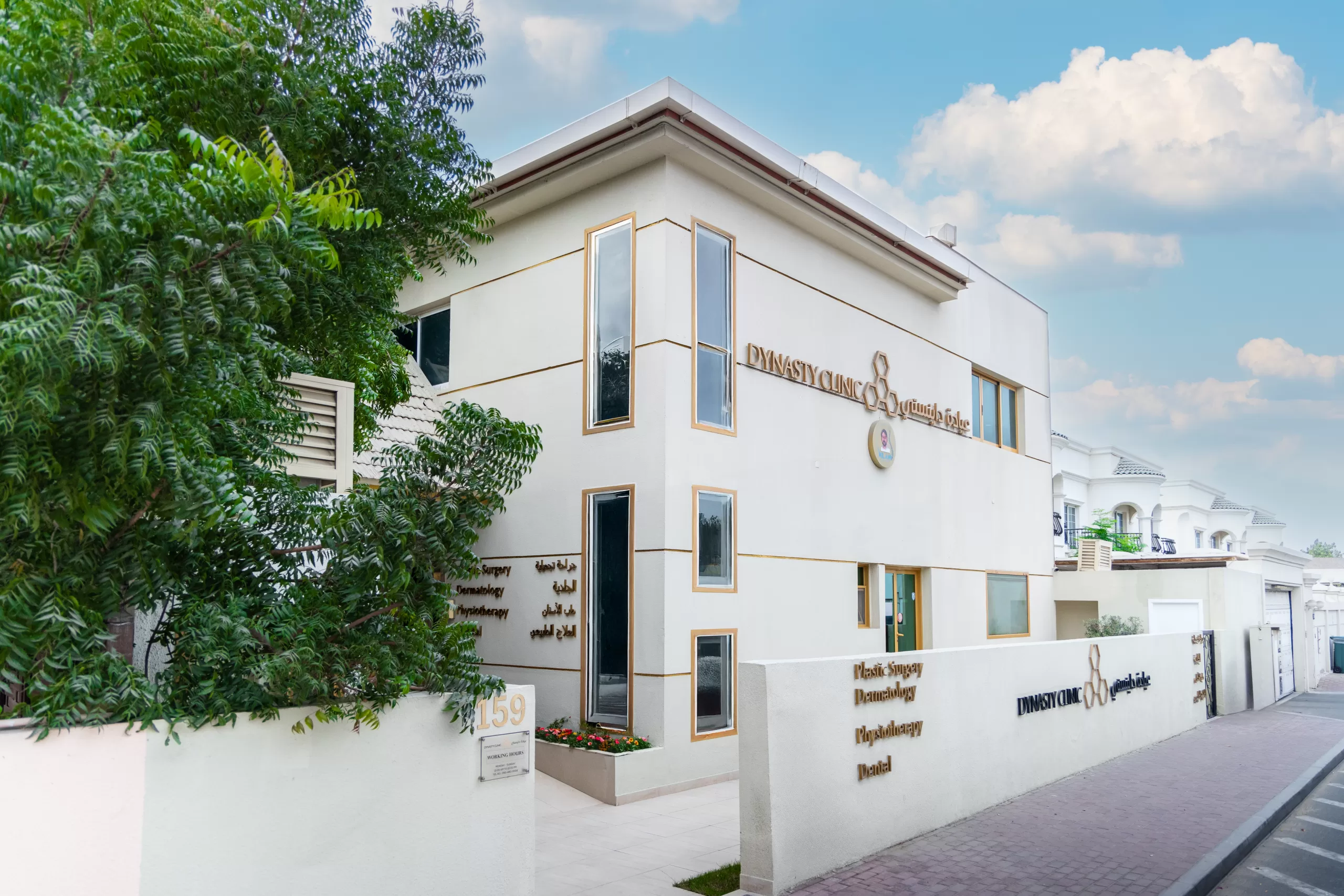
Dynasty Clinic has served Dubai’s wellness and medical community since 2018, bringing together orthopedic specialists, physiotherapists, and regenerative medicine experts under one roof in Al Safa. Instead of shuttling between separate providers for diagnosis, injections, and rehabilitation, patients get integrated, coordinated care from the very first consultation. We combine advanced diagnostics, evidence-based sports injury rehab protocols, and honest communication about what your recovery will actually require — no inflated promises, no guesswork.
Book an Appointment
It’s easy and free!