
Knee pain can affect people of all ages, from athletes and active individuals to office workers and older adults. Understanding the causes of knee pain is the first step toward finding the right treatment and preventing long-term joint damage. Although some knee conditions may require surgery, many cases improve with physiotherapy, medication, lifestyle changes, regenerative …
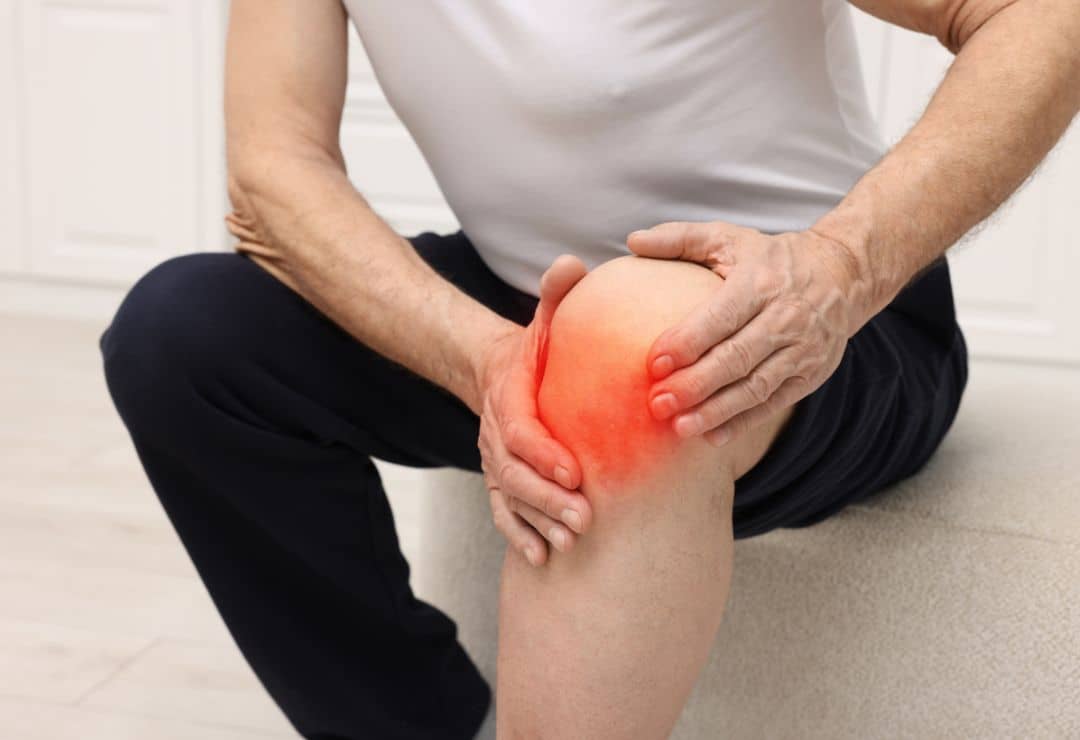
Knee pain can affect people of all ages, from athletes and active individuals to office workers and older adults. Understanding the causes of knee pain is the first step toward finding the right treatment and preventing long-term joint damage. Although some knee conditions may require surgery, many cases improve with physiotherapy, medication, lifestyle changes, regenerative therapies, and other non-surgical treatments.
Dynasty Clinic Dubai provides comprehensive orthopedic care focused on diagnosing the root cause of knee pain and creating personalized treatment plans. Dr. Wasim Zeyad Saleh, a DHA-licensed Best Orthopedic Surgeon in Dubai with over 15 years of experience, specializes in treating knee injuries, arthritis, sports injuries, and other orthopedic conditions. His patient-centered approach emphasizes conservative treatment whenever possible, recommending surgery only when it is the most effective solution.
If you’re experiencing persistent knee pain in Dubai, early diagnosis and expert care can help relieve pain, restore mobility, and prevent the condition from progressing.
Why Does Knee Pain Happen?
The knee is one of the body’s largest and most complex joints. It supports your body weight, absorbs shock, and enables walking, running, climbing stairs, and countless daily movements. Because of its constant use, it is vulnerable to injuries, overuse, inflammation, and age-related wear.
Several factors may contribute to knee pain, including:
- Sports injuries
- Aging
- Excess body weight
- Arthritis
- Weak muscles
- Repetitive stress
- Previous knee injuries
- Poor posture or movement patterns
The good news is that many knee conditions respond well to non-surgical treatment when diagnosed early.
Unveil Your Next Chapter With Dynasty
Our dedicated team is here to answer your questions and guide you on your path to well-being. Get in touch today to schedule a consultation or explore our services.
Top 10 Causes of Knee Pain
Knee pain can arise from numerous causes, ranging from minor issues to more serious conditions. Understanding what might cause knee pain is crucial for finding the best way to treat it and alleviate discomfort. Below, we’ll explore the top 10 common reasons for painful knees and share advice on how to address each effectively.
1. Osteoarthritis (Wear-and-Tear Knee Pain)
Osteoarthritis remains the single most frequent cause of chronic knee pain worldwide, and Dubai’s growing population of professionals aged 40 and above is no exception. This condition develops gradually as the protective cartilage cushioning the knee joint thins over time, leaving bone to rub against bone. Stiffness in the morning, a grinding or clicking sensation, and pain that worsens with prolonged standing are classic warning signs.
Does Osteoarthritis Always Require Knee Replacement?
Not at all. Early and moderate osteoarthritis responds well to weight management, physiotherapy, activity modification, and regenerative options such as PRP (platelet-rich plasma) injections. Surgery is generally reserved for advanced, bone-on-bone cases where conservative treatment has been exhausted.
2. Rheumatoid Arthritis and Other Inflammatory Conditions
Unlike osteoarthritis, rheumatoid arthritis is an autoimmune disorder where the immune system mistakenly attacks the joint lining, triggering inflammation, swelling, and warmth around the knee. It often affects both knees simultaneously and can flare unpredictably. Because this condition involves the immune system rather than simple mechanical wear, it typically requires management by a rheumatologist alongside orthopedic support, with medication playing a central role rather than surgery.
3. Ligament Injuries (ACL, MCL, and PCL Tears)
Sudden pivoting movements common in five-a-side football matches, padel courts, or weekend hikes around Hatta can tear one of the knee’s stabilizing ligaments. An ACL tear, in particular, often comes with a distinct “pop” sound, immediate swelling, and a feeling that the knee is about to give way.
Is Surgery Always Needed for a Torn Ligament?
Partial tears, especially of the MCL, frequently heal with bracing and structured physiotherapy. Complete ACL ruptures in highly active individuals or athletes are more likely to need reconstruction, but sedentary patients or those willing to modify activity levels can sometimes manage without surgical intervention. A proper MRI-based assessment, performed by an experienced orthopedic surgeon, makes all the difference here.
4. Meniscus Tears
The meniscus acts as a shock absorber between the thigh bone and shin bone. A sudden twist while changing direction, or simply years of repetitive squatting and kneeling, can tear this rubbery cartilage. Symptoms include a locking or catching sensation, swelling, and difficulty fully straightening the leg.
Smaller, degenerative meniscus tears in older adults often improve with physiotherapy and anti-inflammatory care rather than arthroscopy, since research increasingly shows surgical trimming offers limited long-term advantage for this group.
5. Patellofemoral Pain Syndrome (Runner’s Knee)
If your knee pain centers around the front of the joint and worsens when climbing stairs, sitting for long periods, or descending Dubai’s many parking ramps, patellofemoral pain syndrome may be the culprit. It’s especially common among runners, cyclists, and people who’ve recently increased their training intensity along the Dubai Marina running track.
What’s the Fix for Runner’s Knee in Dubai’s Climate?
Heat and humidity can tighten muscles faster, making warm-up routines even more critical. Strengthening the quadriceps and hip stabilizers, correcting running form, and choosing proper footwear typically resolve this condition without any need for invasive treatment.
6. Tendinitis (Jumper’s Knee)
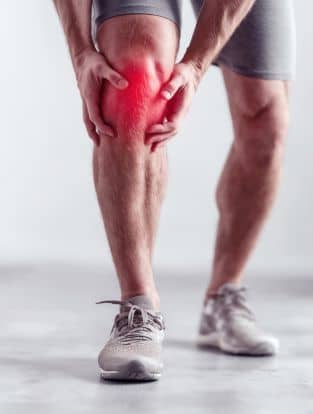
Tendinitis develops when the tendons connecting muscle to bone become inflamed from repetitive stress — think basketball, volleyball, or even an enthusiastic return to the gym after a long break. Pain usually sits just below the kneecap and intensifies during jumping or squatting movements.
Rest, eccentric strengthening exercises, and a gradual return to activity resolve the vast majority of tendinitis cases. Cortisone injections or shockwave therapy may help stubborn cases, but surgery is rarely on the table.
7. Bursitis (Inflamed Fluid Sacs)
Small fluid-filled sacs called bursae cushion the knee joint, and they can become irritated from prolonged kneeling, repetitive bending, or a direct knock to the joint. This is sometimes nicknamed “housemaid’s knee” because it’s common among people who kneel frequently for work or prayer. Swelling, warmth, and tenderness over the front of the knee are typical signs.
Anti-inflammatory measures, activity modification, and occasionally fluid drainage handle bursitis effectively surgical removal of the bursa is an uncommon last resort.
8. Gout and Pseudogout
Sudden, intense knee pain that strikes almost overnight, accompanied by redness and extreme tenderness, often points to gout or pseudogout. These conditions occur when crystal deposits build up inside the joint, triggering an acute inflammatory reaction. Diet, hydration, and Dubai’s rich culinary scene can sometimes contribute to elevated uric acid levels, making this cause worth flagging for anyone with recurring flare-ups.
Medication and dietary adjustments manage gout effectively in nearly all cases; surgery has no role unless joint damage becomes severe after years of unmanaged flares.
9. Excess Body Weight and Mechanical Overload
Every additional kilogram carried places roughly four times the pressure on the knee joint during movement. With increasingly sedentary office routines balanced against Dubai’s vibrant dining culture, weight-related joint stress is one of the most preventable causes of knee pain our team encounters in clinic. Beyond mechanical load, excess fat tissue also produces inflammatory chemicals that can accelerate cartilage breakdown.
A structured weight-management plan combined with low-impact exercise swimming, cycling, or using an elliptical often produces dramatic pain relief within a few months, no operating room required.
10. Knee Trauma, Fractures, and Dislocations
Falls, road traffic incidents, or high-impact sports collisions can fracture the kneecap, dislocate the joint, or damage multiple structures at once. Unlike the gradual onset of arthritis or tendinitis, this category presents suddenly, with severe swelling, visible deformity, and an inability to bear weight.
Get a Clear Answer About Your Knee Pain
Knee pain is manageable in most cases but only if you understand what’s actually causing it. The causes of knee pain range from conditions that respond well to simple lifestyle changes to structural problems that benefit from specialist intervention. The sooner you get an accurate picture of what’s happening inside your joint, the more options you have.
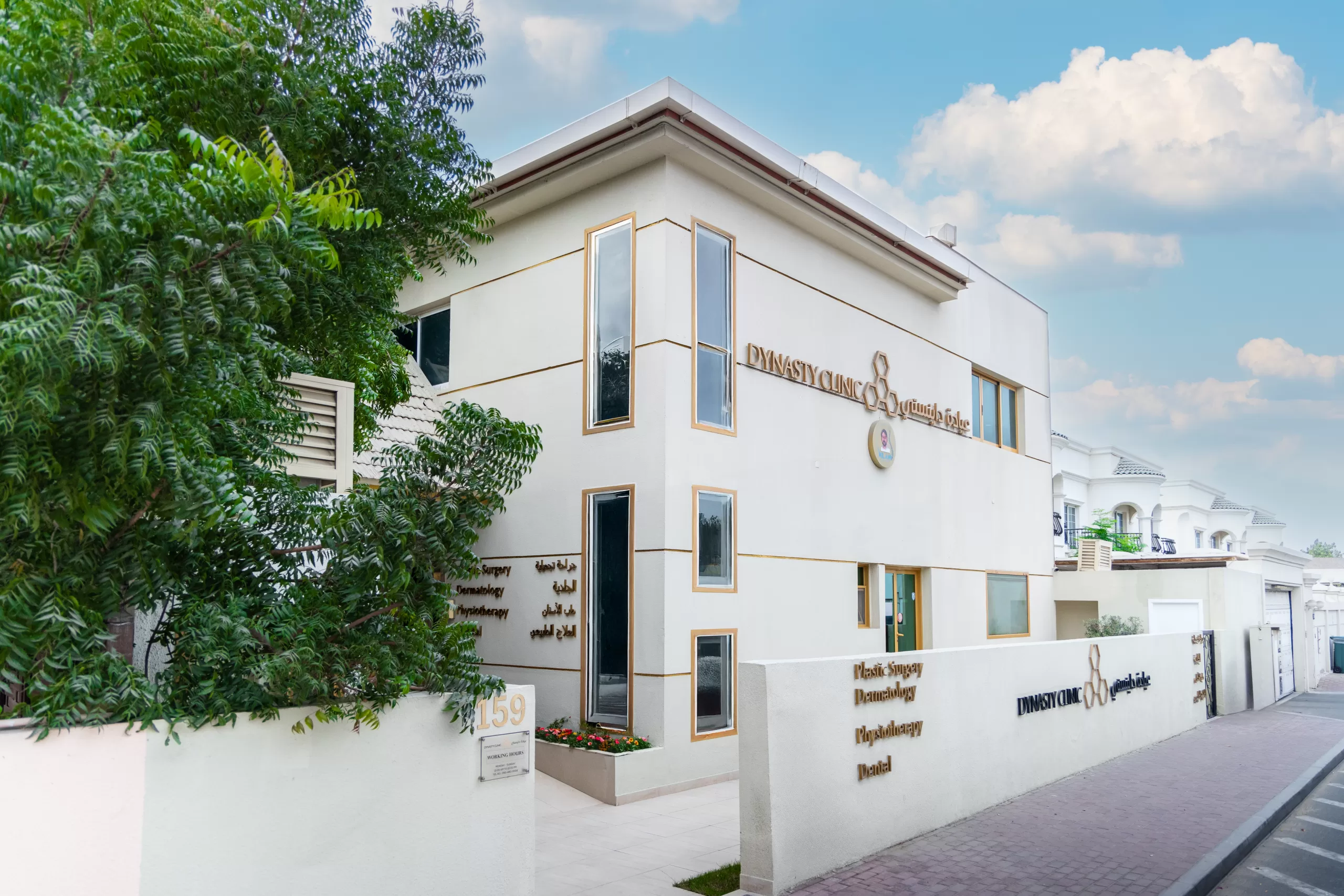
Dynasty Clinic’s orthopedic team in Dubai offers thorough knee assessments, advanced imaging, and personalised treatment plans covering the full spectrum from physiotherapy and injections to knee arthroscopy and knee replacement surgery. You’ll receive a clear, honest explanation of your diagnosis and your options without being pushed toward any particular outcome.
If your knee has been limiting you long enough, book a consultation with the Dynasty Clinic orthopedic team today.
Book an Appointment
It’s easy and free!