Hijama Sunnah points are specific areas on the body where the Prophet Muhammad (PBUH) recommended cupping for maximum health benefits. These points help improve blood circulation, detoxify the body, and promote overall wellness.
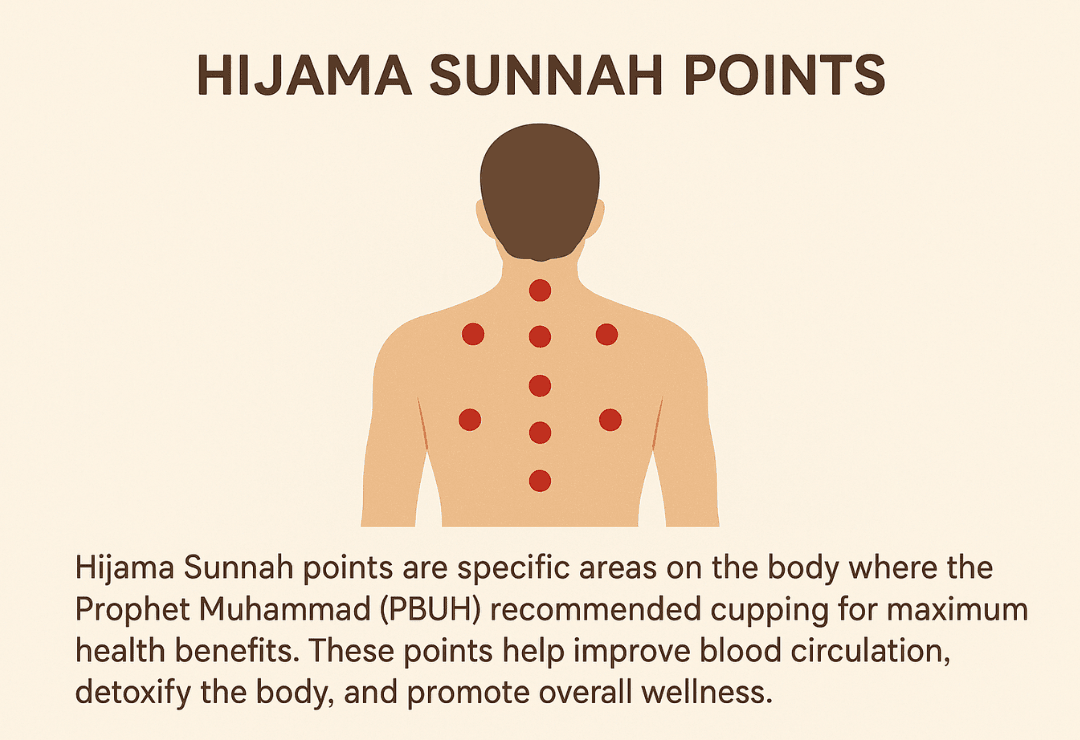
Hijama Sunnah points are specific areas on the body where the Prophet Muhammad (PBUH) recommended cupping for maximum health benefits. These points help improve blood circulation, detoxify the body, and promote overall wellness.
Do you have ongoing pain, frequent migraines, or poor blood flow? The answer might be a 1,400-year-old remedy from the Sunnah of Prophet Muhammad (peace be upon him). Hijama cupping targets specific points on the body to clear stagnant blood and help the body heal itself. But not all points are the same: the Prophet (PBUH) named certain spots on the body that work best.
In this guide, our certified Hijama team at Dynasty Clinic walks through each Sunnah point, what it’s for, its health benefits, and the best days on the lunar calendar for treatment so you can try this blessed practice safely, whether it’s your first time or your tenth. Ready to try it? Book a Hijama session with our team in Dubai.
What are Hijama Sunnah points?
Hijama (الحجامة) is the Islamic practice of cupping cups placed on the skin to create suction. In wet cupping (the most common type in the Sunnah), a trained therapist makes small, light cuts after the suction step, to draw out a small amount of blood along with waste and toxins. Dynasty Clinic offers both wet (blood) cupping and dry cupping, and picks the right one for your health history and goals. Research backs several uses:
- Less pain in the back, neck, and shoulders
- Better blood flow in small vessels
- Lower inflammation markers
- A more balanced immune system
- Relief from tension headaches and migraines
New to Hijama? What First-Timers Should Know
If this is your first time, a few simple steps make the visit safer and easier:
- Skin prep: Come with clean, dry skin. Skip oils, lotions, or creams they get in the way of suction.
- Start slow: First-timers usually begin with dry cupping, or short wet-cupping sessions on the most common points (upper back and neck), before trying other points.
- Session length: Cups usually stay on for 5–15 minutes; your first visit will likely sit at the shorter end of that.
- Aftercare: Rest, drink plenty of water, and skip hard exercise for the rest of the day.
- Fasting: Come on an empty stomach if you can (see timing below).
Our therapists walk every new patient through a full consultation before the first cup ever touches the skin see what to expect during a session below.
What is Hijama (Cupping Therapy)?
Hijama cupping therapy is a traditional Islamic healing method that involves placing cups on the skin to create suction. In wet cupping, small, controlled incisions are made to draw out stagnant blood and toxins from the body. This therapy is widely used for:
- Detoxification
- Pain management
- Hormonal balance
- Improved blood circulation
- Preventive healthcare
Hijama is not just a treatment it is a Sunnah-based wellness practice rooted in centuries of prophetic guidance.
The 6 Primary Hijama Sunnah Points – Detailed Guide
The following points are those most consistently mentioned in authentic Hadith and widely practiced by trained Hijama therapists. Each has a distinct anatomical rationale and therapeutic application.
Sunnah Point | Location | Key Benefits | Priority |
|---|---|---|---|
Al-Kahil | Back of Neck / Between Shoulders | Headaches, neck pain, upper back tension | Most cited in Hadith |
Al-Akhda’ain | Two Sides of the Neck | Headaches, facial pain, thyroid, ear problems | High priority |
Crown (Ra’s) | Top/Center of Head | Migraines, mental stress, neurological issues | Prophet (PBUH) used personally |
Katifain | Shoulders & Upper Back | Shoulder stiffness, respiratory issues, fatigue | General wellness |
Asfal al-Kaahin | Lower Back | Lower back pain, kidney support, sciatica | Pain management |
Arjul Wasat | Calves & Feet | Circulation, swelling, leg pain | Supportive point |
1. Al-Kahil – Between the Shoulders (C7–T1 Area)
Location: The upper back, at the base of the cervical spine, approximately at the C7–T1 junction between the shoulder blades.
This is the most-mentioned Sunnah point. It sits over key nerves, the trapezius muscle, and lymph drainage paths. Physiotherapists see this spot as a top tension area for desk workers, drivers, and anyone who slouches forward.
Known benefits:
- Relief from ongoing neck and upper back pain
- Fewer tension headaches that start at the base of the skull
- Better lymph drainage in the neck and upper back
- Fewer tight muscle knots
Our team usually starts with Al-Kahil in a standard session, for patients with upper back pain or headaches that start in the neck. It’s also the point we recommend most for first-timers.
2. Al-Akhda’ain – The Two Jugular Sides of the Neck
Location: Bilateral points on either side of the neck, lateral to the sternocleidomastoid muscle, below the ears.
The Prophet (PBUH) is said to have used this point for problems with the head and face. This area sits over major blood vessels in the neck, so suction here can help blood and lymph drain better from the face and scalp.
Used for:
- Puffiness or swelling in the face
- Ear pain or ringing in the ears
- Tension in the face
- Thyroid support (ask a doctor first)
3. Crown of the Head (Al-Yafa’ah / Qimmat al-Ra’s)
Location: The vertex of the skull, the highest central point of the head.
Records show the Prophet (PBUH) had Hijama on his head for migraines. Today only skilled therapists use this point, since it needs a careful hand and a close check for risks first.
- Severe migraines and cluster headaches
- Mental fatigue and cognitive fog
- Scalp tension and hair follicle circulation support
Head cupping must only be performed by certified practitioners. Avoid if you have hypertension or bleeding disorders our team screens for this during your pre-session consultation.
4. Shoulders & Upper Back (Al-Katifain)
Location: The posterior shoulder region, over the deltoid insertion and rhomboid muscles.
This point treats one of the most common complaints we see stiff shoulders and tight rotator cuffs. If you have a sports-related shoulder issue too, our team may pair Hijama with sport injury physiotherapy for a full recovery plan.
- Stiff or blocked shoulder movement
- Support for the lungs (sits over the back of the chest)
- Overall body fatigue and full-body detox
5. Lower Back (Asfal al-Kaahin)
Location: Bilateral points flanking the lumbar spine, approximately at L3–L5 level, above the iliac crest.
Lower back pain is the top cause of disability worldwide. Hijama at these points helps loosen tight tissue, boost blood flow, and calm swelling in the muscles beside the spine. We often pair this with our fascia treatment program for long-term back pain.
- Ongoing lower back pain and stiffness
- Sciatica (nerve pain down the leg)
- Kidney area support and urinary health
- Muscle recovery after exercise
6. Calves & Feet (Arjul Wasat)
Location: The back of the calf muscle, and set spots on the sole of the foot.
These points are mentioned less in classical Hadith, but they’re part of older cupping traditions found in many cultures. They help most with blood flow problems, swelling, or if you stand or walk for long hours.
- Fluid buildup and swelling in the legs
- Varicose vein discomfort
- Poor blood flow in the legs and feet
- Recovery after exercise for athletes
Unveil Your Next Chapter With Dynasty
Our dedicated team is here to answer your questions and guide you on your path to well-being. Get in touch today to schedule a consultation or explore our services.
The Significance of Hijama in the Sunnah
The Prophet Muhammad (peace be upon him) spoke about the healing power of Hijama in several Hadiths, calling it one of the best remedies (Sahih al-Bukhari, Sunan Abu Dawood). These teachings show Hijama as a Sunnah practice good for curing illness, but also for staying well. The Prophet (peace be upon him) also named certain body points and times for Hijama, to get the most out of it.
Best Days for Hijama - The Lunar Calendar Guide
Factor | Recommendation |
|---|---|
Sunnah Days | 17th, 19th, or 21st of the Islamic Hijri month |
Preferred Days of Week | Monday, Tuesday, or Thursday |
Time of Day | Morning, on an empty stomach (minimum 3 hours fasting) |
Frequency (General Wellness) | Once a month |
Frequency (Therapeutic) | Every 2–4 weeks for active conditions |
Frequency (Preventive) | 3–4 times per year |
Want the full story on why these dates matter, and the Hadith behind each one? Read our guide: Best Days for Hijama According to the Islamic Calendar.
Wondering if the timing changes the results, or if it’s mostly about faith? We cover that in Hijama Sunnah Days vs. Regular Days.
Health Benefits of Hijama - Evidence-Informed Overview
Large studies are still limited, but a growing body of research backs Hijama’s benefits in these areas:
Physical Benefits
- Ongoing pain relief (back, neck, shoulder, knee)
- Better blood flow, both locally and body-wide
- Thinner blood and lower inflammation markers
- Better lymph flow and detox
- A more balanced immune system
Mind & Brain Benefits
- Fewer and milder migraines
- Better sleep, especially for those with ongoing pain
- Lower stress hormone levels
- Clearer thinking and less mental fatigue
Spiritual Benefits
- Reviving the Sunnah a prophetic practice
- A stronger tie to Islamic wellness traditions
- Combining intention (niyyah) with physical healing
For patients who want a full wellness plan that pairs Hijama with nutrition, hormone balance, and preventive care, our functional medicine programme at Dynasty Clinic offers a combined approach.
Who Should Avoid Hijama?
Although Hijama is generally safe, it is not suitable for everyone.
Avoid or consult a doctor if you:
- Have anemia or low hemoglobin
- Suffer from bleeding disorders
- Are pregnant
- Have severe skin infections
- Take blood-thinning medications
What to Expect During a Hijama Session at Dynasty Clinic
Knowing what happens helps you feel ready, especially your first time. Here’s what our certified therapists do, step by step:
- Chat before we start: We check your medical history, look for any risks, and pick the right points for you
- Getting comfortable: You’ll lie face-down for back points, or sit for neck points
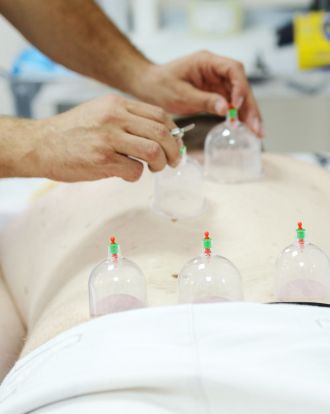
- Placing the cups: Clean, sterile cups go on the Sunnah points; suction runs for 5–10 minutes
- Small cuts (wet cupping only): A fine, sterile blade makes tiny, light cuts; cups go back on to draw blood (3–7 minutes)
- Wound care: Treated spots are cleaned and covered
- After your session: Advice on water, rest, and your next visit
Every tool used at Dynasty Clinic is single-use, sterile, and thrown away following Dubai Health Authority (DHA) rules for medical waste. Our therapists hold real Hijama certificates and work under medical supervision.
Precautions and Guidelines
While Hijama is generally safe when performed by trained professionals, certain precautions should be taken:
- Ensure the practitioner is certified and uses sterile equipment to avoid infections
- Avoid Hijama if you have severe anemia, bleeding disorders, or are pregnant (consult a doctor)
- Stay hydrated and rest after the procedure to aid recovery
- Follow Islamic guidelines, such as performing Hijama on recommended days and making dua (supplication) for healing

Conclusion
Hijama is a strong Sunnah practice that mixes physical healing with deep spiritual meaning. By using the right points like the back of the neck, head, and shoulders — and doing it on the right days, you can follow the Prophet’s (PBUH) guidance while caring for your health, whether it’s your first time or your tenth.
Dynasty Clinic offers Hijama Cupping Therapy from certified specialists, with high standards for safety, cleanliness, and care. Whether you want pain relief, detox, or general wellness, our team gives you a safe, comfortable visit built around your needs.
Always check with a qualified practitioner or doctor before you try Hijama, to make sure it’s right for you. Book a Hijama session with Dynasty Clinic and try this blessed Sunnah practice under expert care. Ready to try this yourself.
FAQs
What are the main Hijama Sunnah points?
Upper back, sides of neck, top of head, lower back, shoulders/legs (from teachings of Prophet Muhammad PBUH)
When is the best time for Hijama?
17th, 19th, 21st (Hijri month) • Morning • Mon/Tue/Thu
Is Hijama safe?
Yes—if done by a trained professional with sterile tools
How often should Hijama be done?
Monthly (general) • 2–4 weeks (for issues) • 3–4 times/year (preventive)
Book an Appointment
It’s easy and free!
Tags:Hijama Sunnah Points