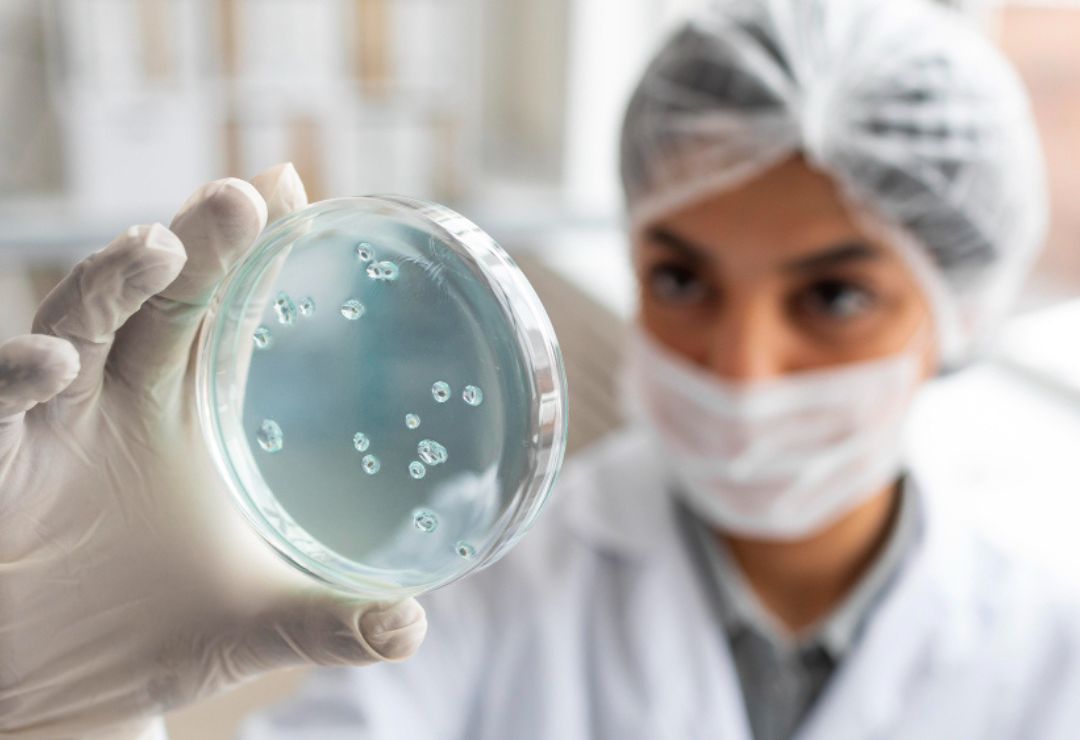
Muse Cells therapy offered by Dynasty Clinic promotes natural regeneration by repairing damaged tissues, enhancing skin texture, and restoring vitality. It also reduces inflammation and signs of aging, leaving the skin smoother, firmer, and more youthful.
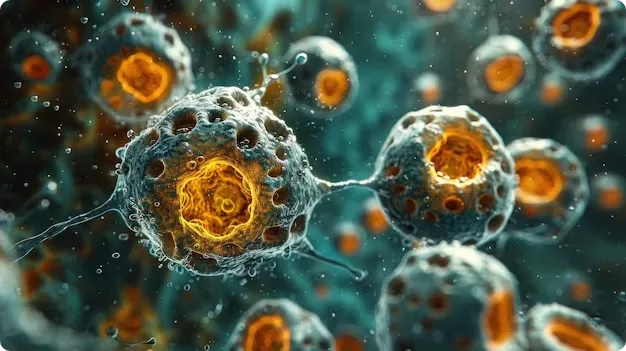
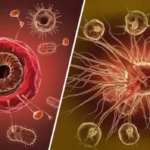
Muse cells are a rare type of stem cell. Researchers in Japan discovered them in 2010. They live naturally in bone marrow. They also live in fat and skin tissue. Muse cells differ from other stem cells in one key way. They stay inactive until the body needs repair. This on-demand behavior makes them efficient and safer to use in treatment. Dynasty Clinic offers Muse Cells Therapy in Dubai using this natural repair process.
What Makes Muse Cells Different
Muse cells are a rare type of stem cell found naturally in bone marrow, skin, fat, and connective tissues. Discovered in Japan in 2010, these unique cells differ from traditional stem cells because they can:
- Differentiate into various cell types (similar to pluripotent stem cells).
- Survive and function in stressful environments like inflamed or damaged tissues.
- Repair organs and tissues without a high risk of forming tumors.
- This makes them a safer and more effective option in regenerative therapy.
Unveil Your Next Chapter With Dynasty
Our dedicated team is here to answer your questions and guide you on your path to well-being. Get in touch today to schedule a consultation or explore our services.
How Muse Cells Find Damaged Tissue
Damaged tissue releases a signal called sphingosine-1-phosphate. Scientists call it S1P for short. Muse cells sense this signal once they enter the bloodstream and move directly toward the site of injury.
This targeting ability sets Muse cells apart from a standard Stem Cell IV Therapy session. Both treatments use the same IV delivery route. Muse cells add one advantage on top of it. They already know where to go once they reach the bloodstream.
How Do Muse Cells Work?
Muse cells are natural healing cells found in bone marrow, fat, and skin. They activate when your body experiences stress, injury, or illness. Unlike other stem cells, they can survive in damaged areas and safely repair tissues. Here’s how they work step by step:
Wake Up Under Stress
Muse cells normally stay quiet in the body, but when stress, disease, or injury occurs, they become active. This unique ability allows them to respond only when the body truly needs healing.
Travel to Damaged Areas
Once activated, Muse cells move through the bloodstream and naturally “home in” on areas of damage, such as the heart after an attack, the brain after a stroke, or skin that has been injured.
Transform Into Needed Cells
When Muse cells reach the damaged spot, they have the amazing ability to change into the exact type of cells the body needs. For example, they can become nerve cells in the brain, muscle cells in the heart, or fibroblasts in the skin.
Repair and Restore Tissues
After transforming, Muse cells integrate into the tissue and start repairing damage. They help replace lost cells, reduce scar formation, and improve the overall function of the affected area.
Balance the Immune System
Besides repairing tissues, Muse cells also release helpful signals that calm inflammation and regulate the immune system. This makes them effective for autoimmune conditions and chronic inflammation.
In simple words, Muse cells wake up when there’s trouble, find the damage, turn into the right cells, and repair the body naturally.
What Happens After Muse Cells Reach the Damage
Muse cells transform into whatever cell type the tissue needs. A Muse cell near heart tissue can become a cardiomyocyte. A Muse cell near a nerve injury can become a neuron instead.
Once transformed the cells begin repair work. They replace lost cells. Scar formation slows down and inflammation around the injury eases at the same time.
Why Choose Muse Cells Therapy?
For patients looking for safe, natural, and effective regenerative treatment, Muse cells offer a powerful alternative. They combine the best qualities of stem cells with added safety and adaptability. From chronic disease management to anti-aging treatments, Muse cells are shaping the future of healthcare.
Why Researchers Are Studying Muse Cells
Clinical trials in Japan have tested Muse cells for several conditions. These include stroke recovery and heart attack repair. Spinal cord injury and ALS are also under study.
Early results show a strong safety profile with no reported tumor formation. Full details on this safety data are documented in a peer-reviewed study on PMC. Muse cells also skip the immune matching step required by many other cell therapies. This lowers both the cost and the complexity of treatment.
Comparing Muse Cells With Other Options
Muse cells are one part of a wider regenerative medicine field. Patients often ask how they compare with standard mesenchymal stem cells.
A side-by-side breakdown is available in Stem Cells vs Muse Cells. It covers safety and delivery. It also covers how each option targets damaged tissue.
Book your consultation today with Dynasty Clinic to explore personalized regenerative and aesthetic treatments designed for your unique needs. Our experts are ready to guide you toward a healthier, more radiant you.
FAQs
1. What are Muse cells?
Muse cells are stress-resistant stem cells that can migrate toward damaged tissue and support repair.
2. How do Muse cells find damaged tissue?
Muse cells respond to signals released by injured or inflamed tissues, which can direct them toward areas that need repair.
3. How do Muse cells repair damaged tissue?
Muse cells can differentiate into cells suited to the damaged tissue and release factors that may support regeneration and reduce inflammation.
4. What types of tissue can Muse cells potentially repair?
Research has explored Muse cells in nervous, heart, liver, kidney, bone, and other tissues. Most evidence comes from laboratory and animal studies.
5. Are Muse cells proven to repair tissue in humans?
Early clinical research is investigating their potential, but more human studies are needed to establish their safety, effectiveness, and long-term benefits.
Book an Appointment
It’s easy and free!