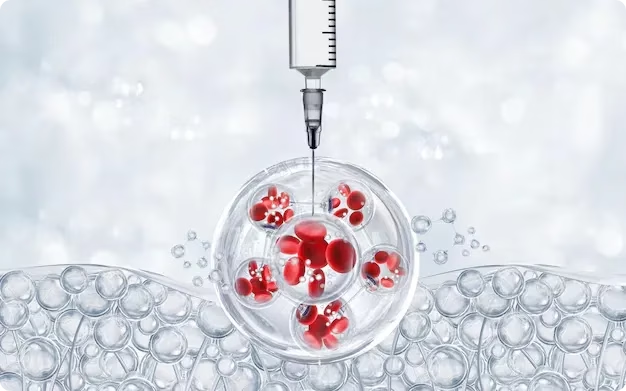
Stem cell therapy uses special cells to help repair damaged tissues and support natural healing. Learn the main types of stem cell therapy and how each one is used in medical care.

Stem cell therapy is a modern medical treatment that helps the body repair and replace damaged cells. This approach is widely discussed in regenerative medicine because these special cells have the unique ability to develop into different types of cells. As a result, doctors and researchers use it to support healing in many health conditions. This article explains the main treatment types in simple words, making the topic easy to understand for everyone.
What Is Stem Cell Therapy?
This treatment repairs, regenerates, or replaces damaged tissues in the body. Stem cells are special cells that can turn into other types of cells, such as muscle, bone, or nerve cells. Because of this ability, they play an important role in healing and recovery.
Several different approaches exist, depending on where the cells come from and how they’re used. For background on how these treatments are regulated, link to an authoritative source such as the FDA’s page on regenerative medicine or the NIH stem cell basics guide.
Unveil Your Next Chapter With Dynasty
Our dedicated team is here to answer your questions and guide you on your path to well-being. Get in touch today to schedule a consultation or explore our services.
Types of Stem Cells Used in Therapy
Embryonic Cells
Embryonic cells come from early-stage embryos. They’re especially powerful because they can turn into almost any cell type in the body.
Key features:
- Highest differentiation potential of any stem cell type
- Primarily used in laboratory research rather than clinical treatment
- Subject to strict ethical and legal restrictions in many countries
Because of these restrictions, this approach remains mainly a research tool rather than a mainstream treatment option.
Adult Cells
Adult stem cells come from different parts of the body, including bone marrow, fat tissue, and blood. This source is among the most commonly used in treatment today.
Common sources include:
- Bone marrow
- Fat (adipose) tissue
- Peripheral blood
This option is widely accepted since it uses the patient’s own cells or donated cells. For instance, bone marrow-derived cells are often used to treat blood-related diseases, while fat-derived cells support joint and tissue repair.
Umbilical Cord Cells
These cells are collected from the umbilical cord after a baby is born, then stored in specialized cell banks.
Benefits include:
- Considered safe and effective
- Young, flexible cells useful for immune system disorders and blood diseases
- Lower rejection risk compared to other sources
Types of Stem Cell Therapy Based on Use
Autologous Treatment
This approach uses cells taken from the patient’s own body. Clinicians collect, process, and then reinject them into the same patient.
Because the body recognizes its own cells, this method carries a very low risk of immune rejection. Consequently, it’s one of the most popular and well-tolerated approaches available.
Allogeneic Treatment
Here, cells come from a donor — either a family member or an unrelated match.
This method is typically used when a patient’s own cells aren’t healthy enough to use. While effective, doctors carefully match donors and recipients beforehand to reduce the risk of complications.
Types of Stem Cell Therapy by Medical Field
Orthopedic Applications
This category focuses on bones, joints, muscles, and ligaments, and is commonly used for knee pain, arthritis, sports injuries, and back problems.
Specifically, these treatments help reduce inflammation and support tissue repair. As a result, many patients choose this route to avoid surgery and lengthy recovery times.
Neurological Applications
Researchers use this approach to support conditions related to the brain and nervous system, such as spinal cord injuries and nerve damage.
Although still developing, early results show promise for improving nerve function and supporting recovery from neurological conditions.
Cardiovascular Applications
This area focuses on heart and blood vessel health and is being studied for heart disease and tissue repair.
These cells may help repair damaged heart tissue and improve blood flow. While still under active research, results so far have been encouraging.

Is Stem Cell Therapy Safe?
Generally, yes — when a trained medical professional performs the procedure. That said, safety depends on the cell source, the treatment method, and the patient’s overall health, so doctors always evaluate patients carefully beforehand.
Because most treatments use the patient’s own cells, the risk of side effects is typically lower. In addition, proper medical supervision and approved procedures help ensure better outcomes overall.
Dynasty Clinic is known for its expert medical team and modern facilities, which help ensure safe and effective treatment. The clinic focuses on personalized care, using current technology and evidence-based methods to achieve strong results for patients. With a commitment to comfort, safety, and professional guidance, it provides a trusted environment for regenerative treatment.
Conclusion
This field of medicine offers new hope for healing and recovery. Options range from embryonic, adult, and umbilical cord sources to different methods like autologous and allogeneic treatment — each with its own benefits and best-fit uses.
As research continues, these treatments are expected to play an even bigger role in future medicine. Understanding the different types helps patients make informed decisions and better navigate their options.

Conclusion
Stem cell therapy is an exciting field of medicine that offers new hope for healing and recovery. There are many types of stem cell therapy, including embryonic, adult, and umbilical cord stem cells, as well as different methods like autologous and allogeneic therapy. Each type has its own benefits and uses.
As research continues, stem cell therapy is expected to play an even bigger role in future medical treatments. Understanding the different types helps patients make informed decisions and better understand their treatment options.
Book an Appointment
It’s easy and free!