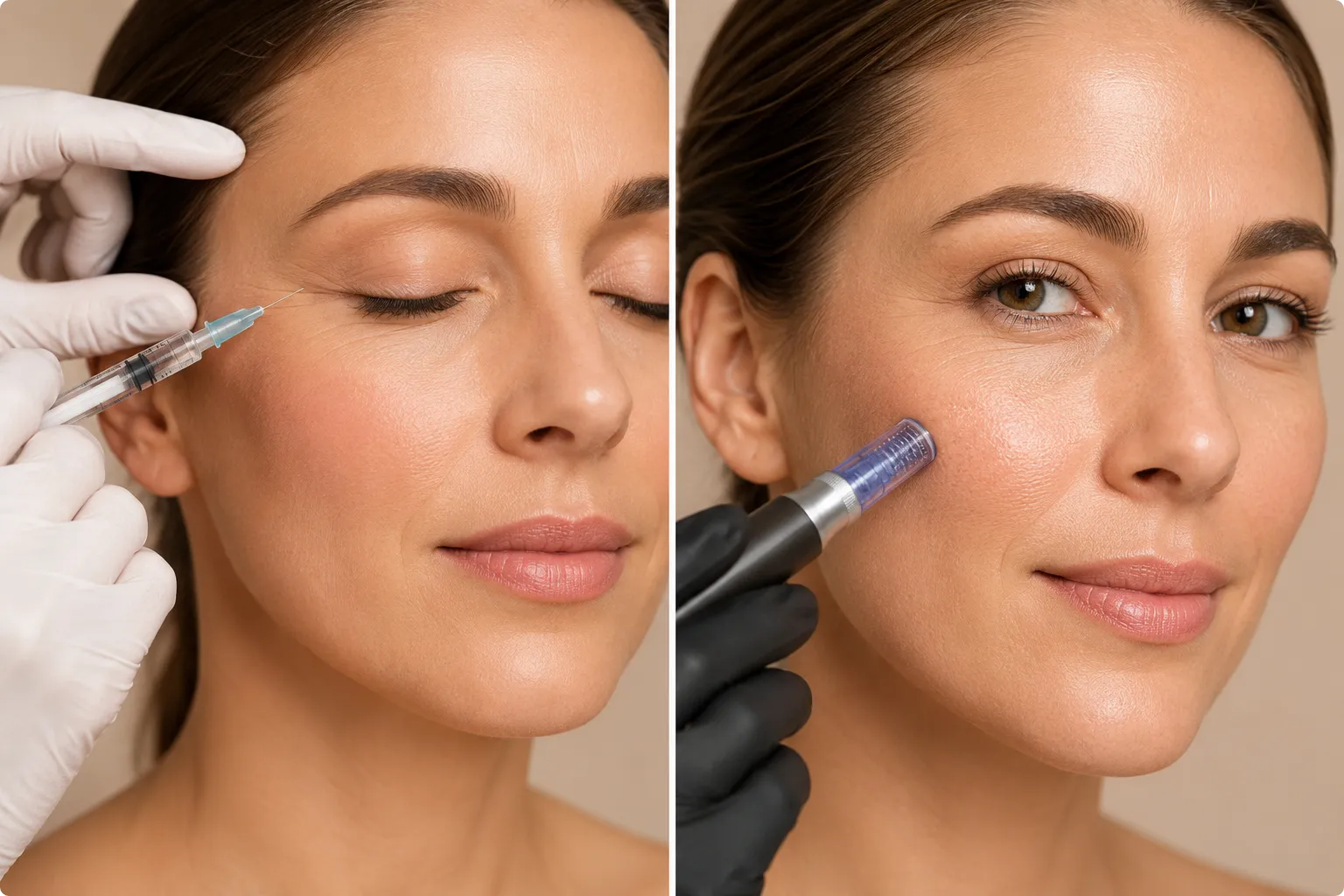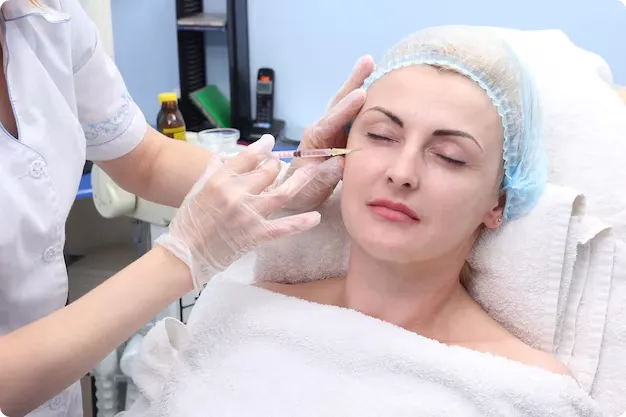
Learn the differences between Botox vs Botox Cosmetic, including their uses, benefits, safety, and which option may be right for your needs.
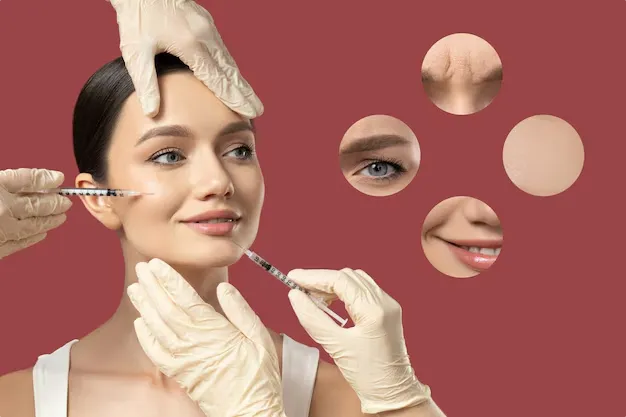
Searching for Botox vs Botox Cosmetic often leaves people wondering whether they’re comparing two completely different treatments or simply different names for the same product. Our experienced surgeons at Dynasty Clinic answer this question regularly because the similar terminology can be confusing. Although Botox and Botox Cosmetic are frequently discussed as separate options, the reality is much simpler and more interesting than many people realize. Dynasty Clinic provides expert aesthetic consultations to help patients understand their treatment options, make informed decisions, and choose the approach that best aligns with their cosmetic goals. This guide explains the key differences, clears up common misconceptions, and gives you the knowledge needed to feel confident before your consultation.
What Is Botox Cosmetic, Really?
Botox Cosmetic is a brand name owned by AbbVie (formerly Allergan). Its active ingredient is onabotulinumtoxinA, a purified protein derived from the bacterium Clostridium botulinum. When injected in small, medically controlled doses, this protein temporarily blocks nerve signals to targeted muscles, softening the fine lines and creases that form from repeated facial movement.
So, what is Botox cosmetic meaning in plain terms? It simply refers to the version of onabotulinumtoxinA that the FDA approved specifically for aesthetic use think frown lines, crow’s feet, and forehead creases. The formulation, dosage strength, and vial packaging are tailored for cosmetic dosing rather than medical dosing.
A few quick facts worth knowing:
- Botox Cosmetic received its first FDA approval for glabellar lines (the “11 lines” between your eyebrows) in 2002.
- It’s manufactured by the same company that produces medical Botox.
- Results typically last three to four months before muscle activity gradually returns.
Botox vs Botox Cosmetic: The Core Difference Explained
Here’s the part that surprises most patients: Botox and Botox Cosmetic contain the exact same active ingredient, in the same concentration, made in the same facility. There is no chemical difference between the two. The distinction lies entirely in how each product is labeled, marketed, and approved for use.
Feature | Botox (Medical) | Botox Cosmetic |
|---|---|---|
Active ingredient | OnabotulinumtoxinA | OnabotulinumtoxinA |
Manufacturer | AbbVie (Allergan) | AbbVie (Allergan) |
Primary purpose | Treats medical conditions | Treats visible signs of aging |
Common uses | Migraines, excessive sweating, muscle spasticity, eyelid spasms | Frown lines, crow’s feet, forehead lines |
FDA approval year | 1989 (medical use) | 2002 (cosmetic use) |
Typical patient goal | Symptom relief and improved function | Smoother, more youthful appearance |
Unveil Your Next Chapter With Dynasty
Our dedicated team is here to answer your questions and guide you on your path to well-being. Get in touch today to schedule a consultation or explore our services.
Is Botox Cosmetic Different From Regular Botox in Practice?
Many patients ask, Is Botox injection different from Botox? after learning that both contain the same active ingredient. Our experienced surgeons explain that while the formula is the same, there are important clinical differences in how each product is labeled, approved, and commonly used. Understanding these distinctions can help you make a more informed decision before scheduling your treatment.
1. Purpose and Muscle Targeting
Medical Botox is injected into areas such as the neck, scalp, or underarms to manage chronic migraines, cervical dystonia, or hyperhidrosis. Botox Cosmetic, however, focuses on smaller, more precise facial muscles responsible for expression lines.
2. Dosage and Dilution
Providers often dilute cosmetic Botox differently than therapeutic Botox because the muscles being treated are smaller and more delicate. A skilled injector adjusts dosing based on your facial anatomy, skin thickness, and desired outcome.
3. Insurance Coverage
Medical Botox for conditions like chronic migraines or muscle spasticity is frequently covered by insurance, while Botox Cosmetic is considered an elective aesthetic treatment and paid out-of-pocket.
4. Regulatory Labeling
Although the molecule is identical, regulators require separate labeling for cosmetic versus therapeutic indications. This ensures providers and patients clearly understand the intended use before treatment begins.
Why the Naming Confusion Even Exists
Understanding why two names exist for one drug helps clear up lingering doubts. When onabotulinumtoxinA first received FDA clearance, it was approved solely for medical conditions such as eye muscle disorders. Years later, after clinical trials confirmed its safety for smoothing frown lines, the manufacturer sought separate approval specifically for aesthetic use. Rather than launching an entirely new drug, they marketed the identical formula under the Cosmetic label to distinguish its approved purpose.
This branding strategy protects patients in a meaningful way. Because indications are clearly separated, doctors must document exactly why they’re recommending treatment, and insurers can differentiate between medically necessary care and elective enhancement.
Botox Cosmetic Meaning: A Quick Recap
To summarize the terminology so far:
- Botox generally refers to the therapeutic applications of onabotulinumtoxinA.
- Botox Cosmetic refers to the identical drug, approved and marketed for aesthetic wrinkle reduction.
- Both share the same safety profile, side effect risks, and mechanism of action.
- Neither version is “stronger” or “safer” than the other the difference is purpose, not potency.
What This Means for You as a Patient
Whether your provider mentions Botox or Botox Cosmetic during your consultation, rest assured you’re receiving the same trusted, FDA-approved formulation. What truly matters is choosing an experienced, licensed injector who understands facial anatomy and tailors the treatment plan to your individual goals.
Dynasty Clinic’s FDA-approved surgeons evaluate each patient’s muscle movement patterns, skin condition, and aesthetic goals before recommending a personalized dosing plan. Our surgeons never rely on a one-size-fits-all approach because every face moves differently, and every patient deserves results that look natural rather than frozen.
Comparing Botox Cosmetic With Other Popular Neuromodulators
Since patients often research alternatives alongside Botox Cosmetic, here’s a quick side-by-side comparison of the most common options available in aesthetic clinics today.
Brand | Active Ingredient | Onset Time | Typical Duration | Best Known For |
|---|---|---|---|---|
Botox Cosmetic | OnabotulinumtoxinA | 3–7 days | 3–4 months | Gold-standard, most researched option |
Dysport | AbobotulinumtoxinA | 2–5 days | 3–4 months | Faster onset, broader spread |
Xeomin | IncobotulinumtoxinA | 3–7 days | 3–4 months | “Naked” formula without accessory proteins |
Jeuveau | PrabotulinumtoxinA | 2–5 days | 3–4 months | Marketed toward younger, preventative patients |
Although each product carries a different brand name, all belong to the same botulinum toxin type A family and function through a similar mechanism: temporarily relaxing targeted muscles to smooth overlying skin.
Common Myths About Botox vs Botox Cosmetic
Misinformation spreads quickly online, so let’s address a few persistent myths.
- Myth: Botox Cosmetic is a weaker, diluted version. In reality, potency depends on dosing units, not the label itself.
- Myth: Medical Botox is riskier than cosmetic Botox. Both share identical safety data because they’re the same molecule.
- Myth: Cosmetic Botox wears off faster. Duration depends largely on muscle strength, metabolism, and injection technique rather than which label was used.
- Myth: You need a different provider for medical versus cosmetic Botox. Many licensed injectors are trained to administer both, provided they hold the appropriate medical qualifications.
How to Choose the Right Treatment for Your Goals
Selecting between medical and cosmetic applications isn’t really a choice you make yourself your provider determines which approach fits your condition or aesthetic goal during consultation. That said, here’s a simple guide to help you understand what to expect:
- Book a consultation with a licensed, experienced injector who can assess your muscle activity and skin condition.
- Share your medical history, including any neurological conditions, allergies, or previous neurotoxin treatments.
- Discuss your goals clearly whether you’re seeking migraine relief, sweat reduction, or smoother expression lines.
- Ask about dosing units rather than focusing solely on the product name, since units determine strength and longevity.
- Follow aftercare instructions to maximize results and minimize bruising or swelling.
Safety Considerations Worth Knowing
Both Botox and Botox Cosmetic carry a boxed warning regarding the potential spread of toxin effects beyond the injection site, which is why treatment should always be performed by a qualified medical professional. Side effects are generally mild and temporary, including slight bruising, headache, or short-lived weakness in nearby muscles. Serious complications remain rare when treatment is administered correctly and dosing stays within approved guidelines.
For detailed, regulator-reviewed safety information, you can review the official prescribing details published by the U.S. Food and Drug Administration.
Why Choose Dynasty Clinic for Your Botox Journey
Here’s what sets our approach apart:
- Our experienced surgeons conduct every consultation personally, never delegating assessment to unqualified staff.
- Dynasty Clinic customizes treatment plans based on facial anatomy, not generic templates.
- Our FDA-approved surgeons prioritize natural-looking results over dramatic, frozen expressions.
- Follow-up care from our surgeons ensures your results stay balanced as they settle over the following weeks.
Final Thoughts
Ultimately, the debate around Botox vs Botox Cosmetic comes down to labeling and purpose rather than any meaningful chemical difference. Both share the same active ingredient, safety profile, and manufacturer, differing mainly in their FDA-approved indications and how providers apply them. Understanding this distinction empowers you to ask better questions, set realistic expectations, and choose a clinic that prioritizes your safety alongside your aesthetic goals.

Frequently Asked Questions
Does Botox Cosmetic hurt more than medical Botox?
No. Discomfort levels depend on injection technique and needle size rather than the product’s labeling. Most patients describe the sensation as a brief pinch.
Can Botox Cosmetic treat migraines too?
Officially, migraine treatment falls under the medical Botox indication, though the underlying drug remains identical.
How soon will I see results after treatment?
Most patients notice visible smoothing within three to seven days, with full results appearing around the two-week mark.
Is one version more expensive than the other?
Pricing usually reflects the number of units used and the treatment area rather than whether it’s labeled medical or cosmetic.
Book an Appointment
It’s easy and free!