Many women wonder if it's safe to get botox while pregnant, especially if they already have appointments booked or used it before finding out. The short answer is no, elective Botox isn't recommended during pregnancy, and breastfeeding calls for extra caution too. Here's what the evidence actually shows, and what your options are in the …
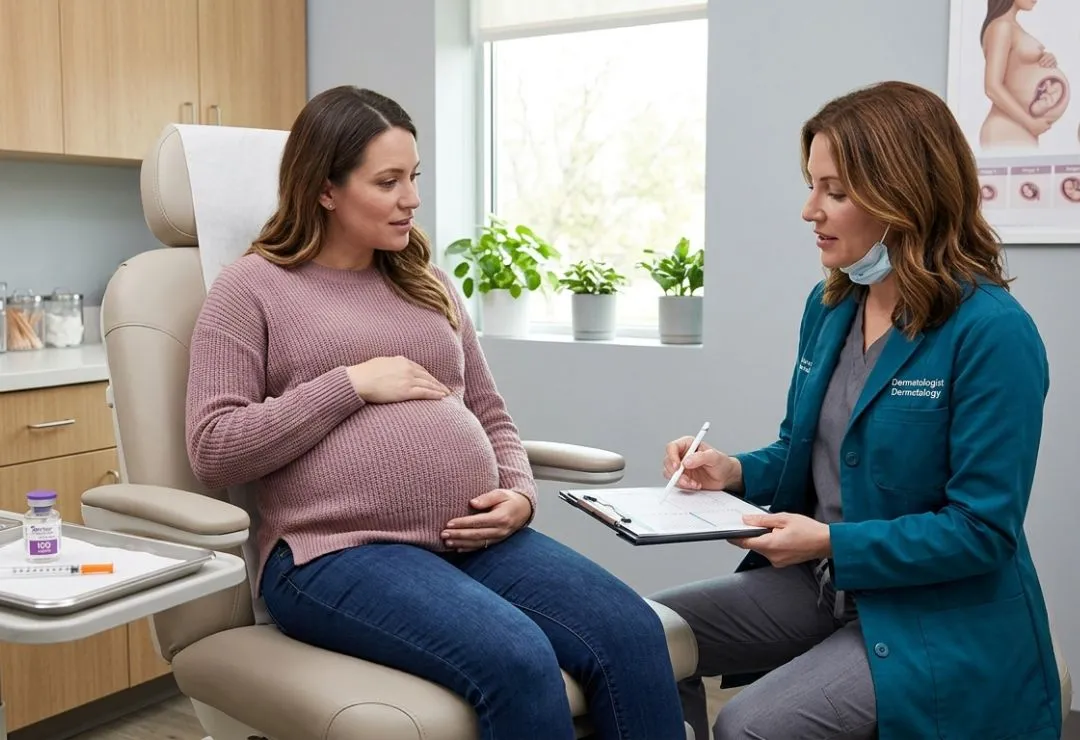
Many women wonder if it’s safe to get botox while pregnant, especially if they already have appointments booked or used it before finding out. The short answer is no, elective Botox isn’t recommended during pregnancy, and breastfeeding calls for extra caution too. Here’s what the evidence actually shows, and what your options are in the meantime.
What Is Botox and How Does It Work?
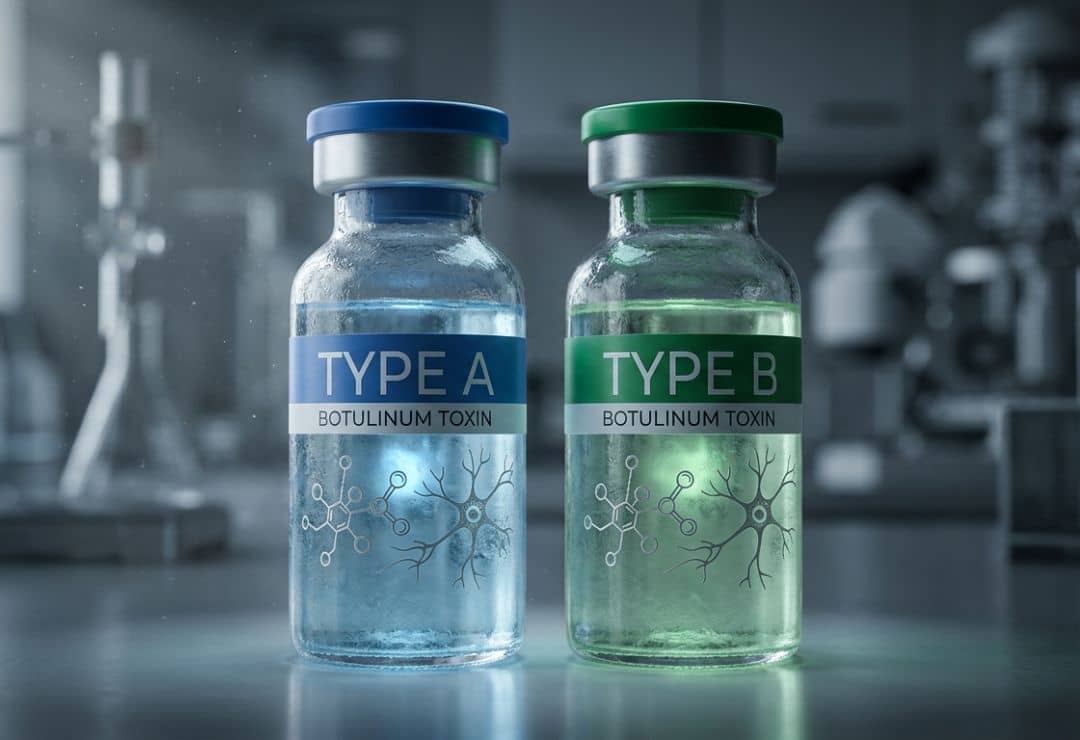
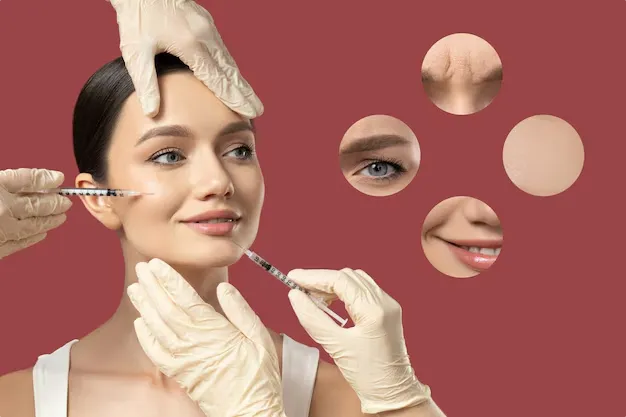
Botox is a purified form of botulinum toxin that temporarily relaxes targeted facial muscles. It’s used to soften lines caused by repeated muscle movement, such as frown lines or crow’s feet. The effects typically last three to four months before another session is needed.
Unveil Your Next Chapter With Dynasty
Our dedicated team is here to answer your questions and guide you on your path to well-being. Get in touch today to schedule a consultation or explore our services.
Is Botox Safe During Pregnancy?
There’s no definitive research confirming that botox while pregnant poses direct harm to a developing baby. However, the lack of solid safety data is exactly why doctors recommend avoiding it. When it comes to non-essential treatments, the standard approach is to wait until there’s clear evidence of safety, not to assume it until proven otherwise.
The FDA Category C Classification Explained
Botox falls under FDA Pregnancy Category C. This means animal studies have shown some risk, or human studies simply haven’t been done, so the risk to a human fetus can’t be ruled out. It doesn’t mean harm has been demonstrated. It means the safety question remains open.
What the Research Actually Shows
Case reports and small observational studies have tracked women who received Botox before realizing they were pregnant. So far, no clear pattern of birth defects has emerged from these limited cases. That said, these aren’t controlled clinical trials, and the sample sizes are far too small to draw firm conclusions.
Why Doctors Recommend Waiting Anyway
Because Botox isn’t medically necessary, most obstetric and dermatology guidance favors a cautious, “why take the risk” approach. This aligns with ACOG’s general position on elective cosmetic procedures during pregnancy: if a treatment offers no medical benefit, it’s better to postpone it until the risk profile is clearer.
Botox Pregnancy Risk - What Could Happen?
The honest answer is that nobody knows for certain. Researchers haven’t confirmed whether Botox crosses the placenta in meaningful amounts. Some worry it could theoretically affect fetal muscle development, though this hasn’t been demonstrated in humans.
Here’s what’s currently understood:
- No confirmed link between Botox and birth defects, based on existing case data
- No confirmed safety either, since studies are too limited to draw conclusions
- Precautionary guidance from doctors reflects the “first, do no harm” principle common in obstetric care
Because certainty is missing on both sides, doctors default to caution rather than reassurance when it comes to botox while pregnant.

Botox and Breastfeeding Safety
Breastfeeding guidance is more nuanced than pregnancy guidance, though it still calls for care.
Does Botox Pass Into Breast Milk?
Botox has a large molecular structure, which makes it unlikely to pass into breast milk in significant amounts. This is one reason many lactation experts consider the risk to be low, though “low risk” isn’t the same as “confirmed safe.”
What Studies and Lactation Experts Say
The InfantRisk Center, a leading resource on medication safety during breastfeeding, notes that Botox’s molecular size limits its ability to transfer into milk. Even so, published data on nursing mothers remains limited, so this guidance is based on pharmacological reasoning as much as direct clinical evidence.
Case-by-Case Decisions With Your Doctor
Because the research is incomplete, the decision to get Botox while breastfeeding should always involve your physician or your baby’s pediatrician. Factors like your baby’s age, feeding pattern, and overall health can all influence that conversation.

I Had Botox Before I Knew I Was Pregnant – Should I Worry?
Getting botox while pregnant without realizing it happens more often than you’d think, since many women don’t know they’re pregnant during the early weeks. Based on current case data, there’s no established pattern linking early, accidental Botox exposure to birth defects. Still, the right next step is to tell your OB/GYN as soon as you find out, so they can factor it into your prenatal care and address any concerns directly.
Safe Alternatives During Pregnancy and Breastfeeding
You don’t have to put your skincare routine on pause entirely. Several treatments are considered safer choices during this stage:
- Hydrating facials that avoid active ingredients linked to pregnancy concerns
- Pregnancy-safe topical skincare, formulated without retinoids or high-strength acids
- Gentle exfoliation treatments using pregnancy-approved formulations
- LED light therapy, which many providers consider a lower-risk option
Our team at Dynasty Clinic can recommend pregnancy-safe facials and skincare plans that keep your skin cared for without the uncertainty around injectables.
When Can I Resume Botox After Pregnancy or Breastfeeding?
Most providers suggest waiting until you’ve finished breastfeeding before resuming Botox, purely as a precaution. If you’ve stopped breastfeeding, or you’re not breastfeeding at all, our specialists can talk through timing based on your recovery and personal comfort level. There’s no universal countdown here. It comes down to your individual circumstances and a conversation with your doctor.
Final Thoughts
Choosing botox while pregnant isn’t recommended, and breastfeeding calls for a careful, individualized decision rather than a blanket yes or no. The research simply hasn’t caught up to give a definitive verdict either way, so caution remains the standard advice. If you’re pregnant, breastfeeding, or planning either, our team can help you explore safer alternatives or map out the right timing for treatment down the road.
Book an Appointment
It’s easy and free!