
Walking is one of the most recommended low-impact exercises for people with knee pain. When done correctly, it can strengthen the muscles around the knee, improve joint mobility, reduce stiffness, and support long-term joint health. Learn the benefits, potential risks, and practical tips for walking safely with knee pain.
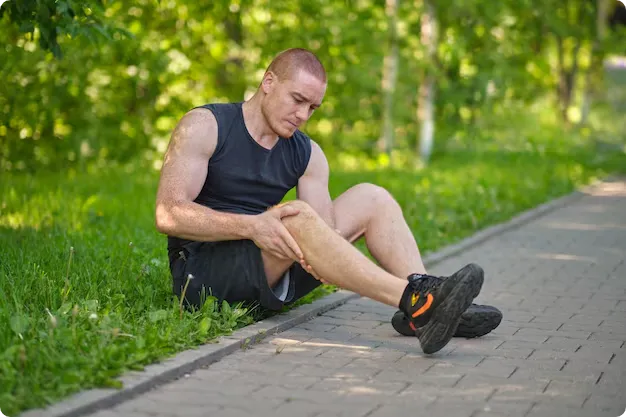
Knee pain makes walking feel like the last thing you should do. Yet for the vast majority of people with knee pain especially knee osteoarthritis walking is not just safe, it’s one of the best things you can do for your joints. The key is how you walk, how much, and knowing the specific situations where you should pause and get it checked instead.
This guide breaks down what the research actually shows, how to walk in a way that protects rather than strains your knees, a simple progressive walking plan you can start this week, and the warning signs that mean it’s time to see an best orthopedic doctor in dubai rather than push through the pain.
Why Walking Actually Helps Your Knees
Moving a painful joint more, to make it hurt less, feels counterintuitive. Three separate mechanisms explain why it works.
1. Cartilage Needs Movement to Stay Healthy
Cartilage doesn’t have its own direct blood supply, unlike most tissue in your body. It gets its nutrients from the synovial fluid inside the joint, and that fluid only circulates properly when the joint moves. Walking acts like a pump, pushing nourishing fluid through the cartilage that’s under stress in osteoarthritis.
2. It Strengthens the Muscles That Protect the Knee
Every step engages your quadriceps, hamstrings, glutes, and core. These muscle groups act as shock absorbers and stabilizers the stronger they are, the less load passes directly through the joint itself. This is why physiotherapists treating knee osteoarthritis focus on strengthening and gait as much as the knee itself. Dynasty Clinic’s physiotherapy team in Dubai builds these strengthening plans around each patient’s specific gait pattern rather than a generic exercise sheet.
3. It Supports Healthy Weight, Which Directly Reduces Joint Load
Every extra pound of body weight adds roughly four pounds of pressure on the knee during walking. Losing even a modest amount of weight can meaningfully reduce the daily load your knee absorbs.
What the Research Shows
A large 2025 analysis of 217 clinical trials involving over 15,000 participants found that low-impact aerobic exercise walking, cycling, and swimming was the most effective exercise category for easing knee osteoarthritis pain and improving function, ahead of stretching, strengthening, and balance-focused programs alone. Separately, long-term studies following people with knee osteoarthritis for eight years found that regular walkers were less likely to develop frequent knee pain than non-walkers, and showed less structural joint damage even when they already had symptoms.
Unveil Your Next Chapter With Dynasty
Our dedicated team is here to answer your questions and guide you on your path to well-being. Get in touch today to schedule a consultation or explore our services.
When Walking Can Make Knee Pain Worse
Walking isn’t universally risk-free, and it’s worth being honest about that instead of only telling one side of the story.
Walking may not be the right first step when you notice:
- Sharp, stabbing pain during or immediately after walking (rather than a dull, achy soreness)
- Visible swelling, warmth, or redness around the knee
- A knee that catches, locks, or gives way
- Pain following a specific twisting injury, fall, or sports incident
- Pain that keeps getting worse with every walk rather than settling into a manageable baseline
These patterns can point to a meniscus tear, ligament injury such as an ACL tear, an inflammatory flare, or another structural issue that needs an accurate diagnosis before you build a walking routine around it. Walking on an unstable or acutely injured knee can make the underlying problem worse, not better, in these cases. A knee assessment with an orthopedic specialist is the right move when this sounds like your situation, rather than guessing at home.
How to Walk Correctly for Knee Health
Pain can quietly change the way you walk without you noticing you might shorten your stride, favor one side, or stop bending the knee fully because it hurts. This protective pattern actually creates new problems over time: weaker stabilizing muscles, poor balance, and more stress on the joint, not less.
Walking in a way that protects your knees means:
- Landing on your heel first, not flat-footed or on your toes, then rolling smoothly through to push off from the ball of your foot
- Keeping your toes and kneecaps pointing forward imagine them aimed at 12 o’clock on a clock face, not turned in or out
- Engaging your core and glutes as you walk rather than letting your hips sway, which takes pressure off the knee joint itself
- Avoiding a shuffle. Consciously lift each foot through a full, even step rather than dragging your feet if bending the knee fully hurts
- Checking your posture, not just your feet. Leaning forward or to one side to protect a sore knee changes how weight passes through the joint
A physiotherapist or orthopedic specialist can do a simple gait assessment and correct small patterns before they become habits when you’re not sure whether your walk has changed.
How Much Should You Walk? A Simple Progressive Plan
Most guidance stops at walk more, without saying how to actually build up to it safely. Easing in gradually rather than jumping straight to a daily 30-minute walk works better when you’re starting from a low baseline or nursing sensitive knees:
Week | Walking Time | Frequency | Notes |
|---|---|---|---|
1–2 | 10–15 minutes | Every day, or every other day | Flat, even surfaces only. Stop if sharp pain appears. |
3–4 | 15–20 minutes | Daily | Add a gentle warm-up (2–3 minutes of slow walking before building pace). |
5–6 | 20–30 minutes | Daily | Introduce gentle inclines or slightly longer distances. |
7+ | 30–45 minutes | Most days of the week | Aim for a general target of around 6,000+ steps a day, adjusting to your comfort. |
A few practical additions make a real difference alongside this plan:
- Supportive shoes: a wide toe box, a flexible forefoot, and cushioned soles reduce impact. Research comparing specialized unloading shoes to ordinary supportive walking shoes found no real difference in pain relief so a comfortable, well-fitted regular walking shoe is enough for most people.
- Softer surfaces where possible. Dirt paths, tracks, and grass are gentler on the joints than concrete.
- Assistive devices, when they help. A cane or trekking poles aren’t a sign of failure they reduce joint load and can let you walk further and more comfortably, especially on uneven ground.

Walking With Knee Pain in Dubai’s Climate
A few adjustments work well locally:
- Walk early morning or after sunset, when temperatures are lowest, especially from May to September
- Use air-conditioned indoor spaces many Dubai malls open their corridors for walking before store hours, and this is a genuinely good option on high-heat days
- Choose parks with shaded, even paths such as Safa Park, Al Barsha Pond Park, or the Kite Beach boardwalk in cooler months which offer softer, more joint-friendly surfaces than pavement
- Stay hydrated and pace yourself, since heat increases perceived exertion even at a normal walking pace, which can make you unconsciously alter your gait to get it over with.
Other Low-Impact Options When Walking Isn’t Comfortable
Walking that stays genuinely uncomfortable even after adjusting pace, surface, and duration doesn’t mean choosing between pain and inactivity. The same research that found walking effective for knee osteoarthritis also found cycling and swimming to be similarly strong low-impact options. Water-based walking or swimming lets you move the joint through its full range of motion with almost none of the body-weight load, which is especially useful for more severe or acute pain. Dynasty Clinic’s sport injury physiotherapy program can help build a low-impact routine around whichever activity suits your knee best.

When to See an Orthopedic Doctor
Walking and lifestyle adjustments help a large share of knee pain, but they aren’t a substitute for a diagnosis in certain situations:
- Pain has lasted more than a few weeks despite rest, gentler walking, and over-the-counter measures
- Ongoing swelling, instability, or a knee that doesn’t feel “trustworthy” on stairs or uneven ground
- Pain followed a specific injury rather than building up gradually
- Pain is affecting your sleep, work, or daily mobility
An orthopedic specialist can confirm what’s actually driving your pain osteoarthritis, a meniscus issue, ligament damage, or something else and build a plan around it. This might mean targeted physiotherapy and gait correction, bracing, or regenerative treatments such as stem cell therapy for knee osteoarthritis, depending on the cause. More advanced joint damage may call for surgical options like arthroscopy or knee replacement surgery. Walking is often part of the plan either way the goal is making sure it’s the right walking plan for your specific knee.
Getting an accurate diagnosis matters more than guessing when knee pain in Dubai isn’t settling on its own. You can book a consultation with the best orthopedic doctor in Dubai at Dynasty Clinic for a proper knee assessment and a walking or treatment plan tailored to your condition.
Frequently Asked Questions
Is walking good for knee osteoarthritis specifically?
Research consistently shows that regular, moderate walking helps knee osteoarthritis by nourishing cartilage, strengthening supporting muscles, and reducing the likelihood of frequent knee pain over the long term.
How many steps a day should I walk with knee pain?
Many people with knee osteoarthritis benefit from working up to around 6,000 steps a day, though the right number depends on your starting point building up gradually works better than aiming for a fixed number immediately.
Should I walk every day when my knees hurt?
Short daily or near-daily walks tend to work better than occasional long ones for most people with mild-to-moderate knee pain, since consistency builds strength and mobility without overloading the joint in a single session.
Can walking damage my knees further?
Regular, moderate walking on a stable, correctly diagnosed knee is unlikely to cause damage and is generally protective. The real risk lies in walking on an acute injury like a ligament or meniscus tear without a diagnosis.
What’s the best surface to walk on for knee pain?
Softer, even surfaces dirt trails, tracks, or grass put less strain on the knees than hard concrete. A flat, even mall corridor or a treadmill with slight cushioning works well too for indoor walking.
Book an Appointment
It’s easy and free!