Living with joint pain, sports injuries, or chronic orthopedic conditions can affect every part of daily life. Minimally invasive orthopedic surgery Dubai offers advanced surgical techniques. These use smaller incisions, reduce tissue damage, and speed up recovery compared to traditional surgery.Whether you're dealing with knee, shoulder, hip, or spine problems, modern orthopedic procedures can restore …
Living with joint pain, sports injuries, or chronic orthopedic conditions can affect every part of daily life. Minimally invasive orthopedic surgery Dubai offers advanced surgical techniques. These use smaller incisions, reduce tissue damage, and speed up recovery compared to traditional surgery.
Whether you’re dealing with knee, shoulder, hip, or spine problems, modern orthopedic procedures can restore movement with less pain and downtime. Choosing the best orthopedic doctor in Dubai matters just as much. The surgeon’s expertise shapes treatment planning, surgical precision, and recovery outcomes. In this article, you’ll learn how minimally invasive orthopedic surgery works, who qualifies as a candidate, its key benefits, the recovery timeline, potential risks, and why many patients in Dubai choose this advanced treatment approach.
What Is Minimally Invasive Orthopedic Surgery?
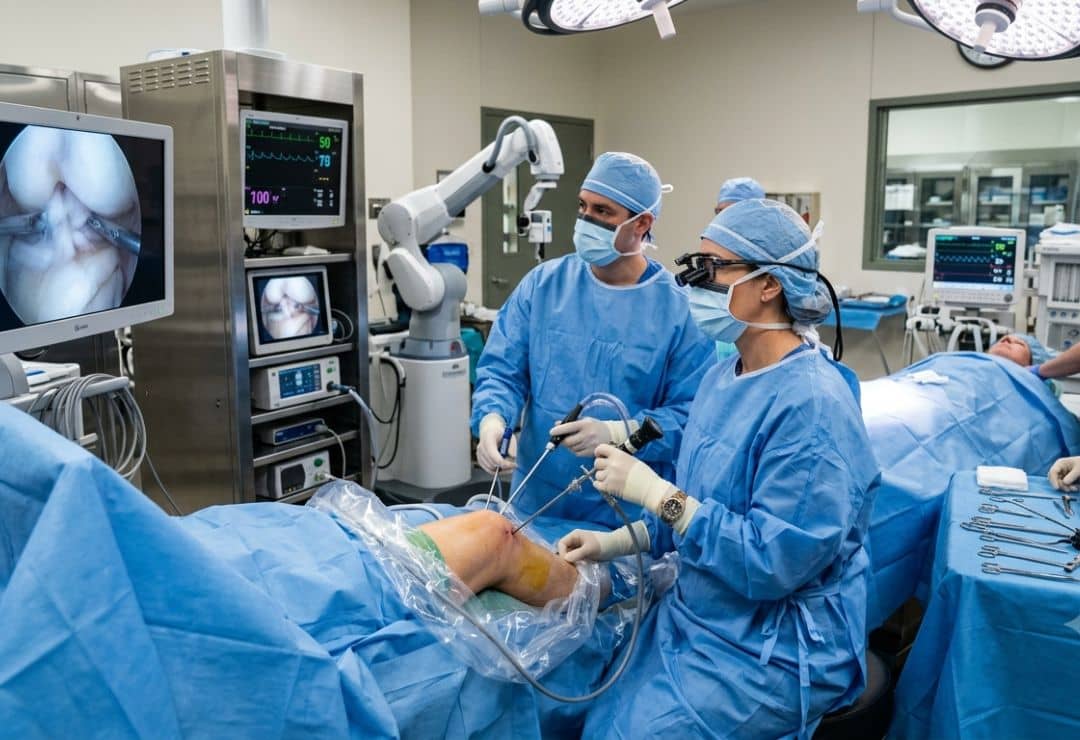
Minimally invasive orthopedic surgery uses small incisions, typically less than a centimeter, instead of the large open cuts traditional surgery requires. Surgeons insert a thin camera, called an arthroscope, along with specialized instruments through these small openings. The camera projects a magnified, real-time view of the joint or spine onto a monitor. This lets the surgeon diagnose and treat the problem with exceptional accuracy.
Because the surrounding muscles, tendons, and tissue stay largely undisturbed, patients generally feel less post-operative pain and reach mobility faster. This approach now applies across multiple areas of orthopedics, including knee and shoulder arthroscopy, hip preservation procedures, and endoscopic spine surgery.
Unveil Your Next Chapter With Dynasty Our dedicated team is here to answer your questions and guide you on your path to well-being. Get in touch today to schedule a consultation or explore our services.
Unveil Your Next Chapter With Dynasty
Our dedicated team is here to answer your questions and guide you on your path to well-being. Get in touch today to schedule a consultation or explore our services.
Which Conditions Can Minimally Invasive Orthopedic Surgery Treat?
Not every orthopedic condition qualifies for a minimally invasive approach, but many of the most common ones do.
Can Minimally Invasive Techniques Treat Knee Problems?
Yes. Arthroscopic knee surgery is one of the most established minimally invasive procedures. Surgeons commonly use it to repair torn meniscus tissue, reconstruct a torn ACL, remove loose cartilage fragments, and address early-stage joint damage. For patients with more advanced arthritis, minimally invasive knee replacement techniques can also reduce muscle disruption compared with a traditional approach. You can read more about the procedure options on our Knee Replacement Surgery page.
What About Shoulder Conditions?
Surgeons widely use shoulder arthroscopy to treat rotator cuff tears, shoulder impingement, labral tears, and recurrent dislocation. They insert a small camera and instruments through tiny incisions around the joint, repairing damaged tissue without a large open incision. Our Shoulder Arthroscopy Surgery page covers this procedure in more depth. For patients with advanced joint damage, our Shoulder Replacement Surgery service outlines minimally invasive replacement options as well.
Is Hip Surgery Also Available as a Minimally Invasive Option?
Certain hip conditions, including labral tears and early femoroacetabular impingement, respond well to hip arthroscopy. For patients who need joint replacement, modern minimally invasive surgical approaches can also reduce muscle trauma compared with older techniques. You’ll find details on our Hip Replacement Surgery page.
Can Spine Conditions Be Treated Minimally Invasively?
Increasingly, yes. Endoscopic and minimally invasive spine techniques now treat herniated discs, spinal stenosis, and select cases of spondylolisthesis. They often reduce muscle disruption compared with open spinal fusion. Our Back and Spine Surgery page explains which spinal conditions typically qualify for this approach.
What Actually Happens During Minimally Invasive Orthopedic Surgery?
A minimally invasive procedure generally follows a consistent structure, no matter which joint or region needs treatment.
First, your surgeon reviews your imaging, whether that’s an MRI, CT scan, or X-ray, and confirms that a minimally invasive approach suits your specific condition. Next, under anesthesia, the surgeon makes a small number of tiny incisions around the treatment area. They then insert an arthroscope or endoscope to get a magnified, real-time view. Specialized instruments perform the repair, whether that involves trimming damaged cartilage, reattaching a torn ligament, or removing herniated disc material.
Once the repair is complete, the surgeon closes the incisions with minimal stitching, and most patients move to a recovery area the same day. Same-day discharge is common for many arthroscopic procedures, while joint replacement and spine cases may involve a short overnight stay depending on complexity.
What Does Recovery Look Like After Surgery?
Recovery timelines vary by procedure and by individual healing rate. Still, several patterns hold consistently true across minimally invasive orthopedic surgery.
In the first few days, mild swelling, tenderness, and limited movement around the treated area are normal. Pain is typically far more manageable than after open surgery, and many patients begin gentle movement or physiotherapy within the first week. Over the following weeks, structured rehabilitation gradually restores strength, flexibility, and confidence in the joint or spine.

Full recovery, particularly for joint replacement or spinal procedures, can still take several weeks to a few months, though most patients return to light daily activity considerably sooner than they would after traditional open surgery. Consistent follow-up with your surgeon and physiotherapist plays a significant role in how smoothly recovery progresses, which is why an integrated rehabilitation plan matters as much as the surgery itself.
How Much Does Minimally Invasive Orthopedic Surgery Cost in Dubai?
Cost varies considerably depending on the joint involved, the complexity of the procedure, whether you need implants, and your insurance coverage. Arthroscopic procedures for the knee or shoulder generally cost less than joint replacement or spinal surgery, since they involve shorter operating time and less implant hardware. Insurance coverage in Dubai often applies to medically necessary orthopedic procedures, though coverage details differ between providers and policies.
Because pricing depends heavily on your specific diagnosis and imaging findings, the most reliable way to get an accurate figure is a consultation with an orthopedic specialist who can review your case and outline a transparent treatment estimate.
Why Choose Dynasty Clinic for Minimally Invasive Orthopedic Surgery in Dubai?
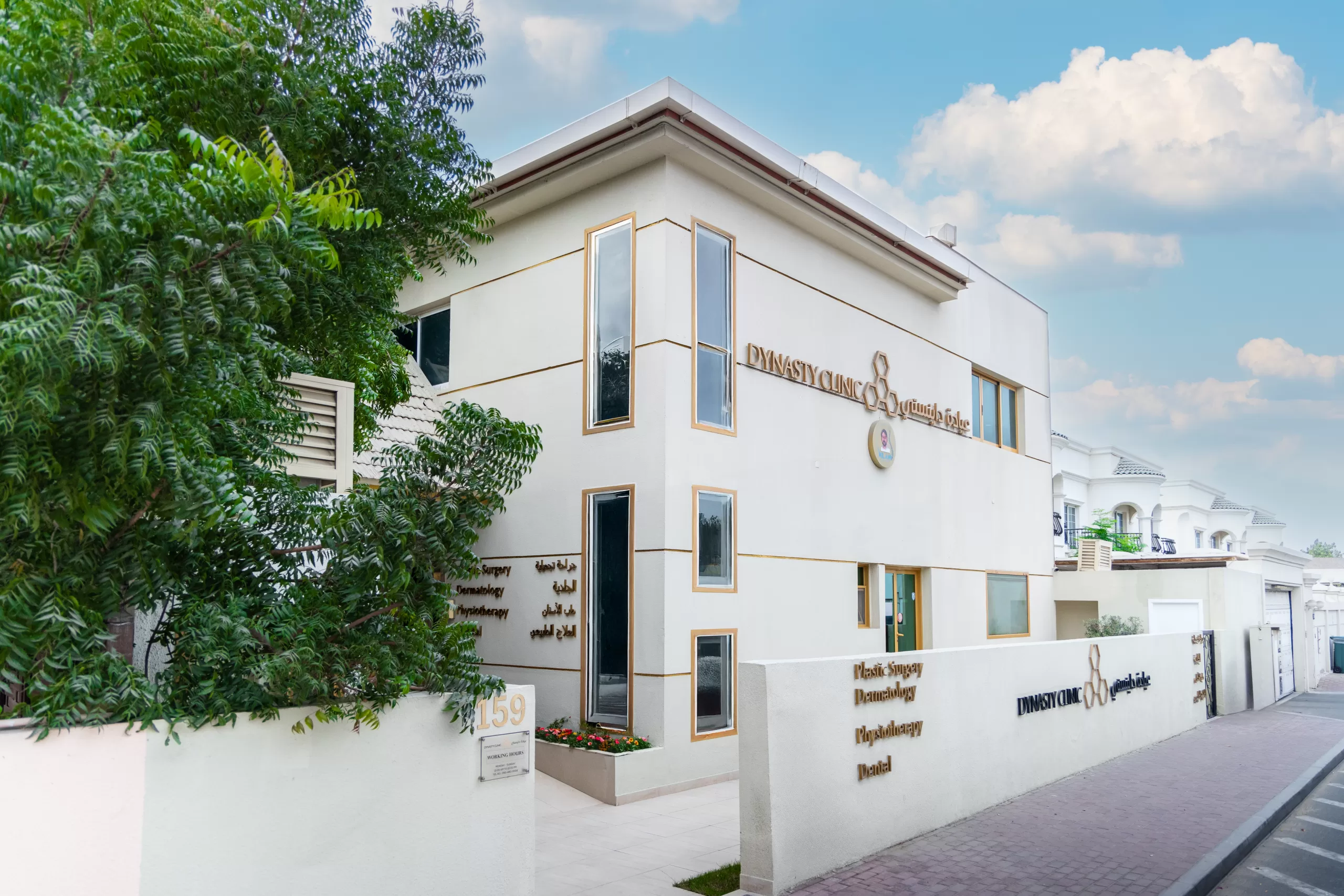
Dynasty Clinic’s orthopedic team combines board-certified surgical expertise with advanced imaging and arthroscopic technology across knee, shoulder, hip, and spine care. Every treatment plan begins with a thorough evaluation, including a physical examination and imaging review. This way, patients receive a recommendation suited to their specific condition rather than a one-size-fits-all approach. Our physiotherapy team coordinates post-operative rehabilitation in-house, supporting a smoother, more consistent recovery from consultation through to full mobility.
If joint or spine pain has been limiting your daily life, a consultation can clarify whether a minimally invasive approach is right for you. Book a consultation with Dynasty Clinic to discuss your symptoms, review your imaging, and explore a personalized treatment plan.
Book an Appointment
It’s easy and free!