Your immune system is meant to protect you. In autoimmune disease, it attacks your own tissues instead, causing inflammation and organ damage. Medicines usually come first, but severe cases sometimes need more. That’s where plasma exchange for autoimmune diseases comes in. Doctors may consider it for certain lupus complications and some types of vasculitis.Plasma exchange, …
Your immune system is meant to protect you. In autoimmune disease, it attacks your own tissues instead, causing inflammation and organ damage. Medicines usually come first, but severe cases sometimes need more. That’s where plasma exchange for autoimmune diseases comes in. Doctors may consider it for certain lupus complications and some types of vasculitis.
Plasma exchange, also called plasmapheresis or therapeutic plasma exchange (TPE), removes the liquid part of your blood and replaces it with a suitable fluid. This lowers the harmful antibodies circulating in your blood. However, it isn’t right for everyone. The decision depends on your diagnosis, disease severity, affected organs and response to other treatments. Before you decide, read our guide to plasma exchange treatment in Dubai and speak with a specialist.
How Does Plasma Exchange for Autoimmune Diseases Work?
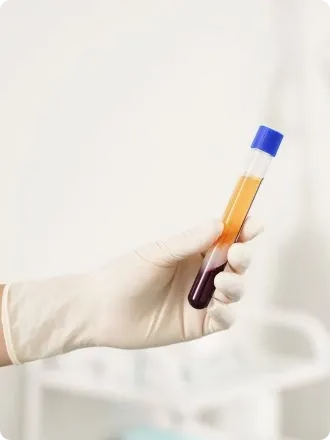
Blood isn’t just red cells. Roughly speaking, it’s cells plus a pale yellow fluid called plasma, and that fluid is packed with antibodies and proteins.
Sometimes the antibodies are the culprit. In certain autoimmune diseases, harmful ones circulate in the plasma and keep damaging tissue. In these cases, plasma exchange removes them.Doctors also call it therapeutic plasma exchange (TPE) or plasmapheresis. Different names, same procedure.
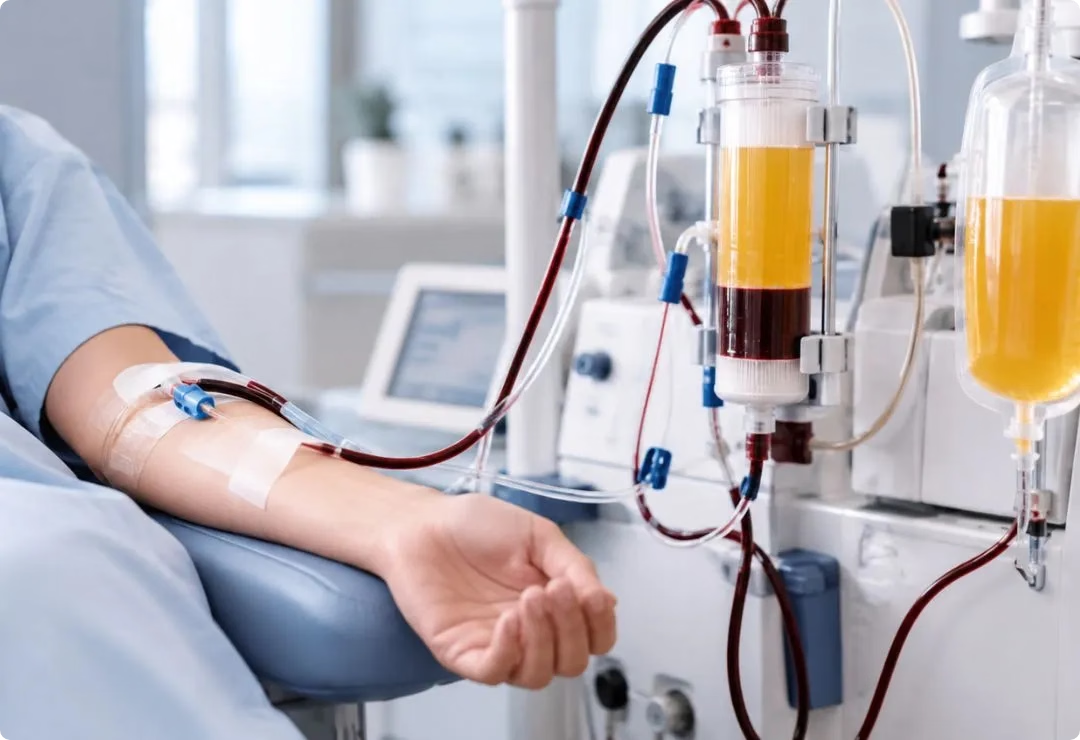
A special apheresis machine handles the work. Your blood goes in, the plasma is separated and taken out, and your cells go back into your body with a replacement fluid. Albumin is the usual choice. Some patients get donor plasma.
Here’s the catch. It buys you a clean-up, not a cure. The immune system carries on producing antibodies, which is why your medicines stay.
Unveil Your Next Chapter With Dynasty
Our dedicated team is here to answer your questions and guide you on your path to well-being. Get in touch today to schedule a consultation or explore our services.
How Does Plasma Exchange for Autoimmune Diseases Work?
The procedure follows five steps, and medical staff supervise all of them.
1. Medical Assessment
First, a doctor reviews your case. That means your diagnosis, symptoms, blood tests, kidney function, bleeding risk and the medicines you take. All of it feeds into one question: is plasma exchange right for you?
2. Getting Access to Your Blood
Second, the team arranges access to your blood. For some people a normal arm vein is fine. Others need a central venous catheter.
3. Separating the Plasma
Then the machine goes to work. It separates your plasma from your blood cells and removes the amount your plan calls for.
4. Replacing the Plasma
Your blood cells return to you with a replacement fluid, either albumin or, for certain conditions, donor plasma.
5. Monitoring You
Last, staff keep watching you. Expect regular checks on blood pressure, symptoms, calcium and blood counts. The number of sessions? That depends on your condition and how you respond.
Plasma Exchange for Lupus
Lupus is a tricky disease. Systemic lupus erythematosus (SLE) can affect your skin, joints, kidneys, blood cells, lungs, heart and nervous system, and it looks different in every patient.
As a result, treatment follows whatever lupus is doing to you. Hydroxychloroquine is a common starting point. Others need corticosteroids, immunosuppressants or biologic drugs.
Worried about your kidneys? The NIDDK resource on lupus nephritis and treatment options is worth a read.
When Do Doctors Consider Plasma Exchange for Lupus?
Plasma exchange isn’t a regular lupus treatment. Instead, doctors save it for serious, even life-threatening, complications. These are the main ones:
- Thrombotic thrombocytopenic purpura (TTP): a dangerous blood disorder that needs urgent care and can happen alongside lupus.
- Catastrophic antiphospholipid syndrome: a rare, life-threatening complication. Plasma exchange can be part of the combined treatment.
- Other severe complications: certain critical blood, nerve or organ problems.
Every case gets judged on its own evidence, so a flare isn’t enough, and lupus nephritis isn’t an automatic yes.
The languages only differ in their grammar, their pronunciation and their most common words. Everyone realizes why a new common language would be desirable: one could refuse to pay expensive translators. Their separate existence is a myth.
To achieve this, it would be necessary to have uniform grammar, pronunciation and more common words. If several languages coalesce, the grammar of the resulting language is more simple and regular than that of the individual.
Can Plasma Exchange Cure Lupus?
No, and this matters. Plasma exchange clears your blood, but your immune system keeps producing antibodies, so levels can climb back.
That’s why doctors combine it with immunosuppressants or other targeted medicines. Lupus needs long-term management, and a few sessions can’t replace that.
Plasma Exchange for Vasculitis
Vasculitis means your blood vessels are inflamed. Swollen vessels can’t carry blood properly, so organs like your kidneys, lungs, skin and nerves pay the price.
Some forms, especially ANCA-associated vasculitis (antineutrophil cytoplasmic antibody-associated), can badly damage the kidneys. Other organs can come under threat as well.
The American College of Rheumatology’s clinical guidelines for vasculitis cover treatment advice in detail.
When Do Doctors Consider Plasma Exchange for Vasculitis?
Typically, doctors consider it when the disease is severe and your kidneys are close to failing, or when another clear medical reason exists. For example:
- Severe kidney involvement, with a high chance of permanent damage.
- Rapidly progressive kidney inflammation in some patients.
- ANCA-associated vasculitis together with anti-glomerular basement membrane (anti-GBM) disease.
- Critical illness that needs extra treatment.
Plenty of ANCA vasculitis patients never need it. Your doctor looks at kidney function, severity, infection risk and more. For people with a high chance of kidney failure, Plasma Exchange for Autoimmune Diseases may help, but infection is a real risk, so the doctor weighs both. It’s also a key option when vasculitis shows up together with anti-GBM disease.
Does Plasma Exchange Replace Vasculitis Medicine?
No. It’s an extra, not a substitute.
Corticosteroids, rituximab, cyclophosphamide and other drugs stay in the plan, because they calm the immune response and protect your vessels. Your specialist decides if plasma exchange joins them.
What Are the Potential Benefits of Plasma Exchange?
What do you get out of it? That depends on your condition. When it’s the right call, plasma exchange can cut harmful antibodies in your blood, help in life-threatening complications, and support people with serious kidney or blood problems. Specialists also like having one more option next to medicines.
But there are no promises. Some complications don’t improve, and the evidence is stronger for certain conditions than for others.
What Are the Risks and Side Effects?
Every medical procedure has risks, and this one does too. Therefore, your team should explain them before you start.
- Low blood pressure. You may feel dizzy or weak.
- Low calcium. The machine’s anticoagulant can lower it, causing tingling and cramps.
- Bleeding or clotting changes. Clotting proteins shift during treatment.
- Infection. A central venous catheter raises the chance.
- Allergic reactions. Replacement fluids, especially donor plasma, can trigger them.
- Lost proteins. Helpful ones leave along with the harmful ones.
For that reason, Afterward, expect follow-up blood tests. They watch your vital signs and lab results all the time, so they can act fast.

What Happens After Plasma Exchange?
Recovery looks different for everyone. It depends on your condition, how many sessions you’ve had, and your general health. Some people go home after a short observation period. Others need to stay in hospital, especially with severe complications.
Expect follow-up blood tests for blood counts, clotting, kidney function and calcium. Your doctors will also keep checking how you respond to your regular medicines.
Above all, show up to every appointment. And never stop your immunosuppressants on your own, even if you feel better.
Who Is Suitable for Plasma Exchange?
Who’s a good candidate? A specialist decides, by weighing the benefits against the risks for you. They look at your exact diagnosis, organ damage, kidney function, blood results, past treatments, infection risk and bleeding risk.
Depending on your case, a rheumatologist, nephrologist, haematologist or another expert may help decide.
Plasma Exchange vs. Dialysis: What Is the Difference?
Both use machines that handle your blood, so people confuse them a lot. They do different jobs.
Feature | Plasma Exchange | Dialysis |
Main purpose | Removes and replaces plasma | Removes waste products and excess fluid |
What it removes | Plasma containing selected antibodies or other substances | Waste products, excess fluid, and certain electrolytes |
Common uses | Selected autoimmune and blood disorders | Kidney failure and some kidney-related conditions |
Does it cure the underlying disease? | No | No |
In some cases, people need both, for separate reasons.Your specialist will tell you which.
FAQ
Is plasma exchange the same as plasmapheresis?
Yes, pretty much. Both names describe removing plasma and replacing it with a suitable fluid.
How many plasma exchange sessions do you need?
It varies. Your condition, its severity, how you respond and your specialist’s plan all matter.
Is plasma exchange a permanent treatment for lupus?
No. It doesn’t cure lupus, and antibodies can come back. Doctors use it for severe complications, alongside regular medicines.
Is plasma exchange always recommended for vasculitis?
No. The type of vasculitis and how much the kidneys are involved decide. Your specialist weighs the benefits and risks first.
Is plasma exchange painful?
Mostly not. You may feel a pinch when the access line goes in. Some people feel tingling, chills or dizziness. Staff stay with you the whole time.
 Posted on Google

 Joanne Frain
Trustindex verifies that the original source of the review is Google.
Great experience at Dynasty clinic- the procedure was explained very well and Dr sima very kind and friendly Very impressed at the follow up to the appointment and can’t wait to go back for part two!Posted on Google ghaith almehairiThank you Dr. Maryam, she welcomes and explains the procedure of PRP in a clear way. Good job and i guarantee to have another session next month because of her.Posted on Google
 Saleh AlnahlaDr. Maryam did for me the PRP procedure for Hair and Skin, and from the first session i saw difference, she is good at what she does and the procedure was explained to me clearly. Will for sure continue the sessions.Posted on Google
 Ghada SharaanHighly recommendPosted on Google
 S AHad a great experience with dr.Sima , her work is amazing with fillers , lips or body , everything she does is immaculate and impressive, got tons of compliments on the lip filler she did on me. Looking forward to do new things with dr.Sima 🤍🤍Posted on Google
 hala jamalThank you doctor sima and the team for all the support and care 💓 Best beauty clinic with amazing staffPosted on Google
 Future HealthCareBest service and good result we gotPosted on Google
 Aga BorynI came to this clinic for the first time and I’m absolutely amazed! The clinic is beautiful, with a very professional and welcoming team, and they offer a great variety of different treatments. I had Dermapen and a skin booster treatment, and I could already see the results immediately. I’m extremely happy with my experience and will definitely be coming back. Highly recommended!Verified by TrustindexTrustindex verified badge is the Universal Symbol of Trust. Only the greatest companies can get the verified badge who has a review score above 4.5, based on customer reviews over the past 12 months. Read more

Book an Appointment
It’s easy and free!