
Explore the recovery timeline after endoscopic spine surgery and learn how Dynasty Clinic offers advanced minimally invasive techniques to help you heal faster.
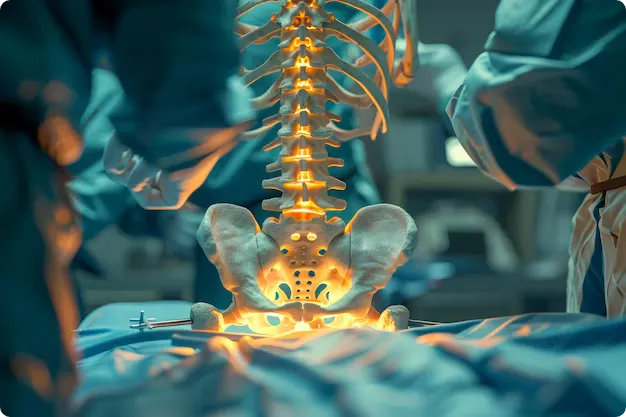
Back pain that lasts for months can make everyday life difficult. Even simple movements may become painful. For people who need spine surgery, recovery is an important part of the treatment. Unilateral Biportal Endoscopy (UBE) is a modern minimally invasive spine surgery that helps many patients recover faster. It uses small incisions, causes less damage to the muscles, and helps patients get back to their daily activities sooner than traditional open spine surgery.
What Is UBE (Unilateral Biportal Endoscopy)?
UBE is a modern form of endoscopic spine surgery. Instead of one large incision, the surgeon uses two small portals, each about the size of a pencil tip. One portal holds a tiny camera called an endoscope. The other holds the surgical instruments. This gives the surgeon a clear, magnified view of the spine while working through openings small enough to close with a single stitch.
UBE is most often used to treat herniated discs, spinal stenosis, and other conditions that press on nerves in the lower back. It falls under the broader category of minimally invasive spine surgery, but it is more precise than many older endoscopic methods because the two-portal setup gives the surgeon better range of motion and visibility.
Unveil Your Next Chapter With Dynasty
Our dedicated team is here to answer your questions and guide you on your path to well-being. Get in touch today to schedule a consultation or explore our services.
How UBE Recovery Differs from Traditional Spine Surgery
Open spine surgery cuts through muscle and soft tissue to reach the spine. That tissue damage is a major reason recovery can take months. UBE avoids this by working between muscle fibers instead of cutting through them.
A 2024 meta-analysis published on PubMed Central compared UBE with full endoscopic spine surgery and found that patients who had UBE recovered significantly faster, with lower complication rates, while both techniques delivered similarly strong pain relief. This lines up with what we see clinically at Dynasty Clinic: patients tend to move, sit, and walk again sooner after UBE than after open procedures, and often sooner than with single-portal endoscopic techniques.
What Recovery Looks Like After Endoscopic Spine Surgery
Every patient heals at their own pace, but most people follow a similar general pattern after UBE. Here is what to expect.
Day 1 to 3: Immediate Recovery
- Most patients walk with support within hours of surgery.
- Some soreness at the incision sites is normal and manageable with medication.
- Many patients go home the same day or after one night of observation.
Week 1 to 2: Early Recovery
- Light daily activities, like walking short distances, usually resume.
- Sitting for long periods and heavy lifting should still be avoided.
- Follow-up appointments check the incisions and confirm healing is on track.
Week 3 to 6: Building Back Strength
- Guided physiotherapy often begins to rebuild core and back strength safely.
- Many patients return to desk-based work during this window, depending on their job and recovery.
- Discomfort continues to fade as inflammation settles.
Month 2 to 3: Return to Normal Activity
- Most patients resume regular daily activity and low-impact exercise.
- Higher-impact activity, like sports or heavy manual work, is reintroduced gradually with a doctor’s guidance.
- Full recovery timelines vary based on the condition treated and the patient’s overall health.
Why UBE Recovery Tends to Be Faster
Three factors drive the shorter recovery window with UBE:
- Minimal tissue disruption: working between muscle fibers instead of through them means less trauma to heal from.
- Continuous saline irrigation: this keeps the surgical field clear and helps reduce swelling around the treated area.
- Precise, magnified visualization: the two-portal view gives the surgeon room to work accurately, which can reduce operative time and the risk of complications.
Why Dynasty Clinic Offers UBE
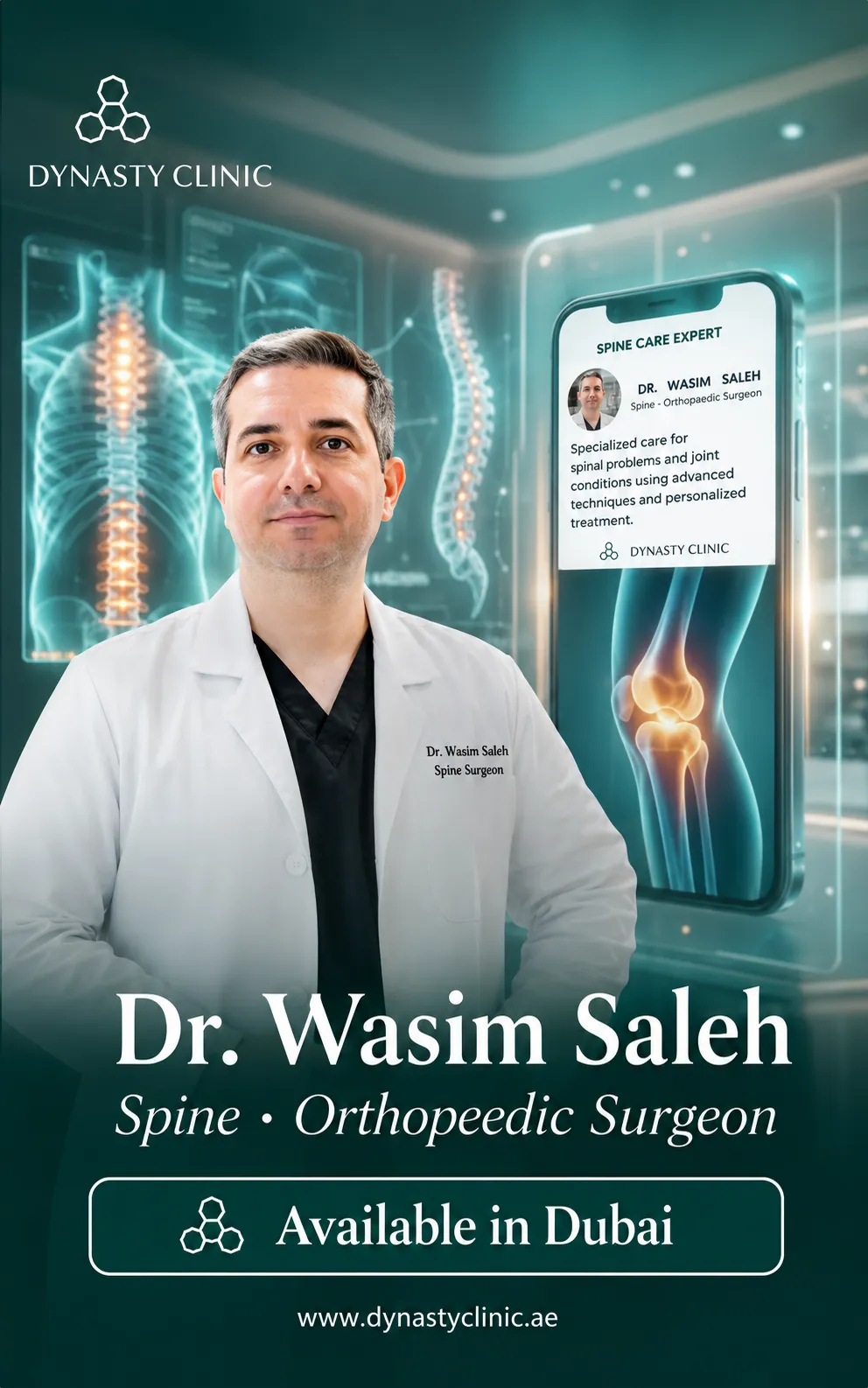
UBE requires specific, advanced training that not every spine surgeon has completed. At Dynasty Clinic, this technique is performed by Dr. Wasim Zeyad Saleh, an orthopedic and spine surgeon who trained in endoscopic spine surgery, including UBE, through a spine fellowship in Istanbul, Turkey. His background also covers vertebroplasty, kyphoplasty, and spinal instrumentation, giving patients access to a surgeon equipped to choose the right technique for their specific condition, not just the one technique he knows best.
This matters because UBE is not the right fit for every case. A thorough evaluation, including imaging and a review of medical history, helps determine whether UBE, a different endoscopic approach, or another form of spine surgery is the safest option.
Who Is a Good Candidate for UBE?
UBE is typically considered for patients with:
- Herniated or slipped discs causing nerve pain
- Spinal stenosis with nerve compression
- Sciatica that has not improved with non-surgical treatment
- Certain cases of degenerative disc disease
Patients with more complex spinal deformities or instability may need a different surgical approach. For a full overview of surgical options for chronic back and neck pain, visit our Spine Surgery in Dubai page, or learn more about our Spine Disc Treatment options.
Supporting a Smooth Recovery
Recovery after any spine procedure goes better with the right support. Structured physiotherapy helps rebuild strength safely, and a gradual return to activity protects the treated area while it heals. Patients recovering from UBE at Dynasty Clinic are guided through this process step by step, with follow-up appointments scheduled to track progress and adjust the plan as needed.
Frequently Asked Questions
Is UBE the same as endoscopic spine surgery?
UBE is one type of endoscopic spine surgery. It uses two small portals instead of one, which is why it is sometimes called biportal endoscopy. Other endoscopic techniques use a single portal for both the camera and instruments.
How long does it take to recover from UBE spine surgery?
Many patients resume light daily activity within one to two weeks and return to most normal activities within two to three months. Recovery time depends on the condition treated and the patient’s overall health.
Is UBE painful?
Patients are under anesthesia during the procedure and typically report mild to moderate soreness at the incision sites afterward, which is managed with medication and usually eases within the first couple of weeks.
Does UBE require a hospital stay?
Many patients go home the same day or after one night, depending on the specific procedure and their recovery in the hours after surgery.
If chronic back pain has been limiting your daily life, a consultation can help determine whether UBE or another approach is the right path forward. Contact Dynasty Clinic to schedule an evaluation with our orthopedic and spine team.
Book an Appointment
It’s easy and free!